27 March 2020 – Implications of the Age Profile of the Novel Coronavirus – a Study by Harvard

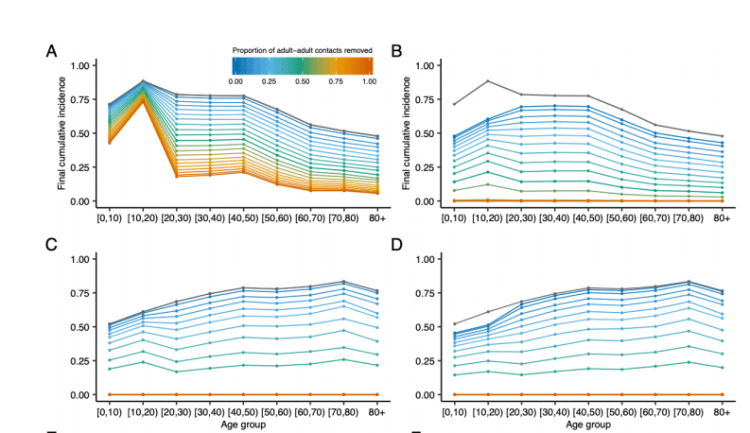
From what I can tell kids up to 20 are almost completely unaffected.  To me this is strange.  It’s usually the children who are MOST affected or at least CONTRACTED.  They recover easier, but we have all heard the expression “snot nosed kids.” There’s a reason. They contract colds and flu’s pretty readily.  And thats why I find this virus so strange.  See the charts.  Unless kids are not being tested.  Could that be the reason?


FROM – https://dash.harvard.edu/handle/1/42639493

ImplicationsofAgeOnCoronaChart1


FROM – https://dash.harvard.edu/handle/1/42639493

Abstract

The role of children in the transmission of SARS-CoV-2 remains unclear, and existing data are yet to provide a consistent explanation for the markedly skewed age distribution of COVID-19 cases. Whereas early data from symptomatic case confirmations suggested a lack of disease in children, subsequent contact tracing studies have found that children are likely to be infected. Governments are now facing immense pressure to weigh the public health benefit of interventions such as school closure against the significant economic disruption they impose. To motivate the discussion of age-stratified social distancing measures, we discuss potential biological mechanisms by which a skewed age distribution of cases may be generated and show through mathematical modelling how different age-targeted interventions are likely to affect the epidemic final size. We propose that identifying age-dependent transmissibility, in addition to susceptibility, will be essential to understand which social distancing measures are likely to be the most impactful going forward.

Terms of Use

This article is made available under the terms and conditions applicable to Other Posted Material, as set forth at http://nrs.harvard.edu/urn-3:HUL.InstRepos:dash.current.terms-of-use#LAA


ImplicationsofAgeOnCoronaChart2

ImplicationsofAgeOnCoronaChart3ImplicationsofAgeOnCoronaChart4


FROM – https://dash.harvard.edu/handle/1/42639493

27 March 2020 – Coronavirus is a monster. It can mutate and HAS Mutated – 149 mutation FROM EARLY IN MARCH!!- how many vaccines would you need?

How many vaccines ? THIS is not even 1 year – thats from early MARCH !!!!!!!!!!!!!!!!!!

How many vaccines could your body tolerate?  — Vaccines are probably not going to be an answer.  Not the traditional vaccine anyway.

Coronavirus is a monster twofold, it’s mutation capabilities AND it’s morbidity.

Once you get it, you can get it MORE often.  A vaccine?  In my opinion would make it WORSE.  A vaccine would ENHANCE it’s mutation capability.

A vaccine that would work – MAYBE -if the way it was created would be able to kill it’s mutation AS it’s mutating.  I don’t think there is such a thing, but I am not a virologist.

The WHO or the CDC can’t possibly create vaccines FASTER than Covid-19 mutates.

The FLU vaccine model WON’T – CAN’T – work.  The FLU vaccine is given once and maybe twice a year, because there is a NEW mutation just once or twice a year.  BUT here’s the thing with Covid19 – In early March, Chinese researchers identified 149 mutations in the 103 sequenced genomes of the coronavirus.

Coronavirus mutates into 40 strains. How this changes the pandemic outlook: Experts https://ara.tv/mjwn4 via @AlArabiya_Eng

Coronavirus mutates into 40 strains. How this changes the pandemic outlook: Experts

Recent scientific tests are starting to reveal more about the coronavirus, known technically as COVID-19, including one recent discovery: that the virus has at least 40 mutations.

As the coronavirus pandemic continues to sweep the world, scientists are scrambling to discover as much information as they can that could help to slow the spread of the deadly pathogen. Now, with evidence that the coronavirus mutates, they are hoping that they can learn more through studying the virus’ genes – perhaps eventually helping to find a future treatment.

But what does it mean for a virus to mutate, and why does it matter? Here is everything you need to know.

Mutations in coronavirus: Evidence

Evidence that the coronavirus mutates was brought to attention back in late February by Christian Drosten, the head of the Institute of Virology at the Charité University Hospital in Berlin.

Drosten studied a German patient who had caught coronavirus in Italy, and a separate German patient who had caught coronavirus a month before in Munich. Both cases had three genetic mutations which had not been seen in any samples from Wuhan, China, where the pathogen first broke out.

Based on this evidence, Drosten suggested that it was likely that a Chinese variant carrying the three mutations had taken independent routes to Germany and Italy.

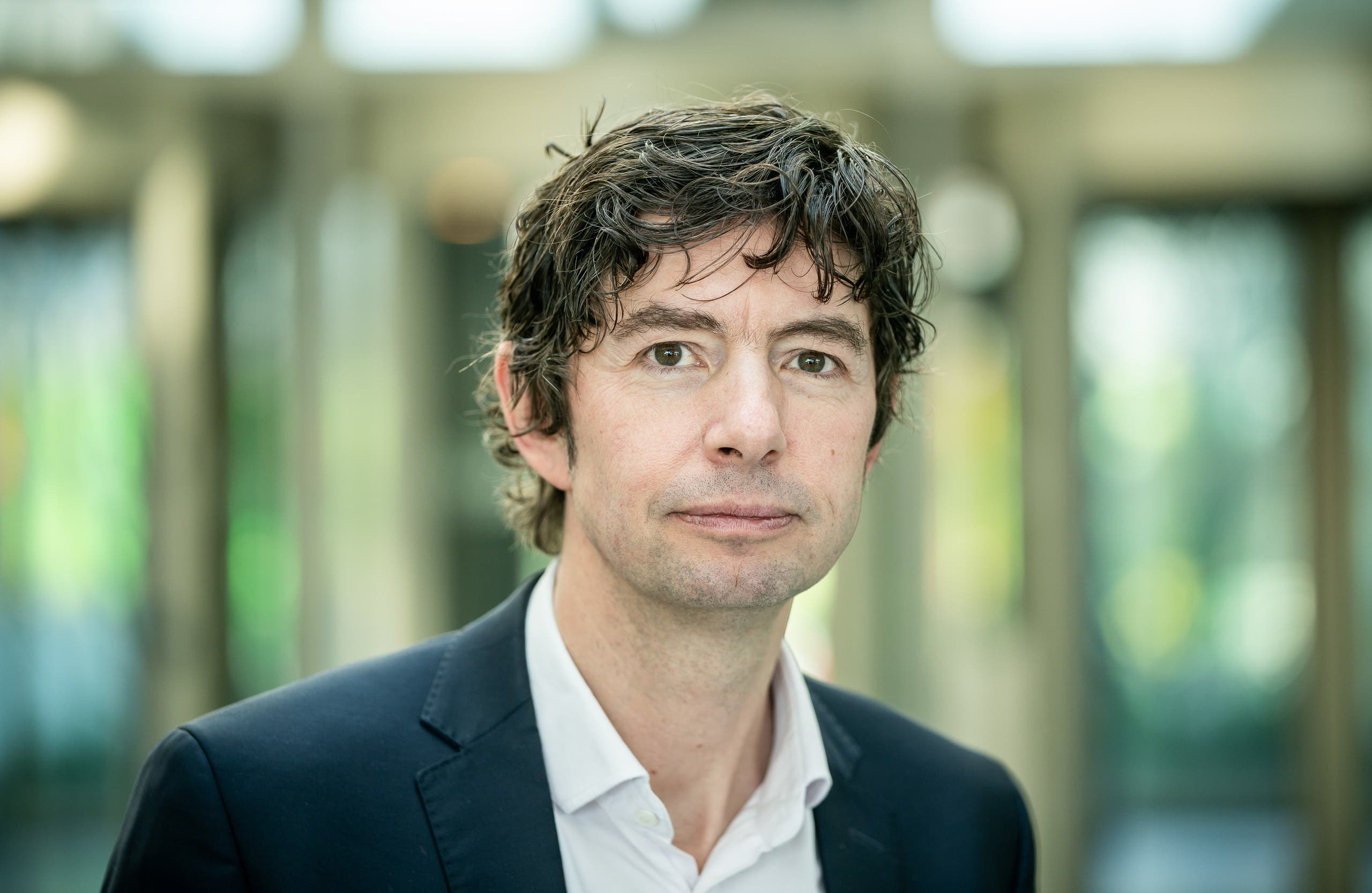
Christian Drosten, director of the Institute of Virology at Berlin's Charite hospital, poses after a press conference in Berlin on March 26, 2020, to comment the spread of the novel coronavirus in the country. (AFP)

Christian Drosten, director of the Institute of Virology at Berlin’s Charite hospital, poses after a press conference in Berlin on March 26, 2020, to comment the spread of the novel coronavirus in the country. (AFP)


Since then, further tests have revealed more evidence that the coronavirus mutates.

In early March, Chinese researchers identified 149 mutations in the 103 sequenced genomes of the coronavirus.

In the same week, Scientists from Brazil and the United Kingdom said the samples collected from the first patient in Latin America was slightly different from the strain from Wuhan by three mutations.

More recently, Iceland’s high-volume testing revealed there are at least 40 mutations of the virus in the country of 340,000 people alone.

Read more:

Coronavirus now has two strains – and you can get both

Clinical support technician Douglas Condie extracts viruses from swab samples so that the genetic structure of a virus can be analysed and identified in the coronavirus testing laboratory at Glasgow Royal Infirmary, Glasgow. (AFP)

Clinical support technician Douglas Condie extracts viruses from swab samples so that the genetic structure of a virus can be analysed and identified in the coronavirus testing laboratory at Glasgow Royal Infirmary, Glasgow. (AFP)

Is it normal for viruses to mutate?

Yes. According to scientists, it is normal for viruses to mutate.

“Viruses mutate naturally as part of their life cycle,” said Ewan Harrison, scientific project manager for the COVID-19 Genomics UK Consortium, a new project that tracks the virus in the United Kingdom.

Dr Derek Gatherer, an infectious disease specialist at Lancaster University, said he was not surprised with the findings in Iceland.

“This is much as we would expect. All viruses accumulate mutations, but few of them are of much medical consequence,” he said.

Like all viruses, coronavirus evolves over time through random mutations, added Andrew Rambaut, a molecular evolutionary biologist at the University of Edinburgh.

“Over the length of its 30,000-base-pair genome, SARS-CoV-2 accumulates an average of about one to two mutations per month,” he said.

Read more: Bahrain accuses Iran of ‘biological aggression,’ over coronavirus spread

What can scientists learn from the mutations?

As the coronavirus continues to spread across the globe, the virus is changing its genetic makeup. According to scientists, genomic sequencing of the samples will help understand the spread of the virus and guide treatments.

“Genomic sequencing will help us understand COVID-19 and its spread. It can also help guide treatments in the future and see the impact of interventions,” Patrick Vallance, British government’s chief scientific adviser, said in the statement on Monday.

UK scientists are using gene sequencing to analyze the strains causing thousands of coronavirus infections across the country. Working in teams across Britain, scientists will map out and analyze the full genetic codes of the COVID-19 samples, Reuters reported.

A laboratory operator at the National Reference Center (CNR) for respiratory viruses in Paris, which analyzes coronavirus samples. (File photo: AFP)

A laboratory operator at the National Reference Center (CNR) for respiratory viruses in Paris, which analyzes coronavirus samples. (File photo: AFP)


Researchers at DeCode genetics, who conducted the testing which revealed 40 mutations in Iceland, said on Monday that the variants discovered could act as the fingerprints of the virus to trace its origin. Seven of the infected people were traced to an undisclosed football match in England, the researchers said.

Kári Stefánsson, director of DeCode Genetics, said, “We can see how viruses mutate. We have found 40 island-specific virus mutations … We found someone who had a mixture of viruses.”

Stefánsson added, “Some came from Austria. There is another type from people who were infected in Italy. And there is a third type of virus found in people infected in England. Seven people had attended a football match in England.”

“It is interesting with the 40 specific variants that fall into three clusters that can be traced back to specific sources of infection,” Allan Randrup Thomsen, a virologist with the Department of Immunology and Microbiology at the University of Copenhagen, said. “Coronavirus is known as a virus that can mutate reasonably violently. We have seen reports of variants from China already. That way, it fits well with what one expects.”

Rambaut also pointed to the speed of the coronavirus as revealing information about its nature.

“It’s about two to four times slower than the flu,” he said. “Using these little changes, researchers can draw up phylogenetic trees, much like family trees. They can also make connections between different cases of COVID-19 and gauge whether there might be undetected spread of the virus.”

Read more: Behind the name: Why is pandemic called coronavirus, COVID-19?

How do mutations affect immunity?

Could coronavirus mutate into a different strain so that it would be able to overcome the built-up immune defenses? Not necessarily, according to experts.

“I would predict that SARSCoV2 will behave similarly to existing seasonal coronaviruses in its ability to mutate to avoid vaccines and immunity,” says Trevor Bedford of the Fred Hutchinson Cancer Research Center, who analyzes the stream of viral genomes and discusses them in Twitter threads.

He says almost all the mutations of coronavirus will have little to no effect on the function of the virus.

“My prediction is that we should see occasional mutations to the spike protein of SARSCoV2 that allow the virus to partially escape from vaccines or existing “herd” immunity, but that this process will most likely take years rather than months,” he tweeted.

Since its outbreak, the coronavirus is mutating in the way that all viruses do, but it hasn’t changed in any important way.

“The virus has been remarkably stable given how much transmission we’ve seen,” says Lisa Gralinski of the University of North Carolina. “That makes sense, because there’s no evolutionary pressure on the virus to transmit better.”

Read more: Coronavirus: What is herd immunity and will it affect the pandemic?

How do mutations impact the development of a vaccine?

Coronavirus mutations have not impacted the development of a vaccine against the disease, says Zhou Qi, deputy secretary general of the Chinese Academy of Sciences.

“We have received a lot of information about the mutations of the virus. However, the mutations seen in the virus so far have not affected vaccine development and research,” Qi said. “We are actively monitoring the degree to which the virus mutates, we are conducting research.”

According to Bedford it will take a few years for coronavirus to mutate enough to significantly hinder a vaccine.

Read more:

Coronavirus: Vaccines and treatments being developed

The coronavirus test you don’t know about, but should: Experts

Flattening the coronavirus curve in the Arab world

Opinion: Coronavirus augurs the inevitable collapse of a global economy in ‘overshoot’


from – https://english.alarabiya.net/en/features/2020/03/27/Coronavirus-mutates-into-40-strains-How-this-changes-the-pandemic-outlook-Exp

23 March 2020 – Many more drugs found by a Computer to help is Coronavirus / Covid19 fight – over 8000 compounds to consider

hydroxychloroquine – can be dangerous to some and therefore should only be considered for some not all, but here is another list of many – something to consider

Could the cure be worse than the virus ?


Supercomputer finds 77 drugs that could halt coronavirus spread

23 March 2020 – Surgeon General saying, “It’s going to get bad” single-handedly tanks the markets with negative OPINION remarks

President Trump should fire this schmuck immediately.  “It’s going to get bad?” Saying THIS in the morning was a sure fire way to tank the markets even farther

He was irresponsible – this CREATES a panic and maybe that was the INTENT.!

Image result for Lacey Adams


March 23, 2020 at 7:03 p.m. CDT

The sun had barely risen Monday when U.S. Surgeon General Jerome Adams took to the airwaves. “I want America to understand: This week, it’s going to get bad,” he said on NBC’s “Today.”

It got bad quickly.

For the first time since the coronavirus pandemic reached U.S. soil, the country reported more than 100 deaths in a single day, pushing the death toll past 500 and the infection total to more than 41,000.

As the number of confirmed cases of covid-19 exploded across the country — and the world — lawmakers on Capitol Hill spent much of the day locked in a bitter stalemate, unable to finalize the outlines of a $2 trillion stimulus package.

The Federal Reserve again announced an unprecedented set of actions meant to boost the faltering U.S. economy, but stocks on Wall Street tumbled again anyway. Leaders in Maryland, Michigan, Virginia, Indiana and a growing list of other states issued their strictest orders yet for Americans to help slow the spread of the coronavirus.

More than 100 million Americans — nearly one in three — are under orders from their governors to stay at home. Florida Gov. Ron DeSantis (R) ordered all passengers on all flights that originate in New York or New Jersey to self-quarantine for 14 days when they arrive in the state. Rhode Island Gov. Gina M. Raimondo (D) ordered a similar quarantine for any person flying into her state.

But even as more states — and even other countries — continued to tighten restrictions in an effort to prevent hospitals and medical workers from being overwhelmed by the rapidly spreading virus, President Trump signaled a wariness with the mounting economic consequences of bringing the nation to a halt.

“Our country wasn’t built to be shut down,” Trump said at a White House briefing late Monday afternoon.“At some point, we’re going to be opening up our country. It’s going to be pretty soon.”


from  –  https://www.washingtonpost.com/national/its-going-to-get-bad-as-outbreak-surges-nation-faces-tough-start-to-a-grim-week/2020/03/23/77627f08-6d13-11ea-a3ec-70d7479d83f0_story.html


This guy should be FIRED!!!!! He single-hadedly undid ANYTHING good that was done to fight this thing and PENCE was behind this guy

SureonGeneralOpinion1

SureonGeneralOpinion2


21 March 2020 – Vaping or smoking? Coronavirus compromised – If you are using any inhalants you may be compromised and should take much greater precautions even from the common FLU

“Data Show cases of emergency department visits associated withe possible electronic e-cigarette, or vaping product use-associated lung injury (EVALI) are declining.  Despite progress, the outbreak has not ended, and clinicians and public must remain vigilant.  ”

If we take what they say and then expand that to smoking and cigarettes, then you can see how this is a problem


inhalentsAndCorona

19 March 2020 – The Spanish flu of 1918 also originated in CHINA – National Geographic’s prophetic outlook could have prevented the Coronavirus outbreak today

Image result for spanish flu war in history journal of public health policy

National Geographic is not a conservative Bastian

They were however, foreseeing this Coronavirus outbreak in almost a prophetic manner

China seems to be the origin of many maladies.  The influenza variations as well as DRUG epidemics, all seem to be coming from that area of the world.  Why?

If we had paid a bit more attention to what scientists were trying to focus on, maybe this situation would not have occurred.

Image result for influenza 1918

1918 Flu Pandemic That Killed 50 Million Originated in China, Historians Say

Chinese laborers transported across Canada thought to be source.

BY

THE GLOBAL FLU outbreak of 1918 killed 50 million people worldwide, ranking as one of the deadliest epidemics in history.

For decades, scientists have debated where in the world the pandemic started, variously pinpointing its origins in France, China, the American Midwest, and beyond. Without a clear location, scientists have lacked a complete picture of the conditions that bred the disease and factors that might lead to similar outbreaks in the future.

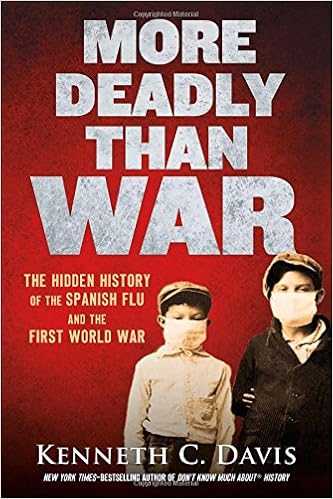
The deadly “Spanish flu” claimed more lives than World War I, which ended the same year the pandemic struck. Now, new research is placing the flu’s emergence in a forgotten episode of World War I: the shipment of Chinese laborers across Canada in sealed train cars.

Historian Mark Humphries of Canada’s Memorial University of Newfoundland says that newly unearthed records confirm that one of the side stories of the war—the mobilization of 96,000 Chinese laborers to work behind the British and French lines on World War I’s Western Front—may have been the source of the pandemic.


Image result for spanish flu war in history journal of public health policy

(Related: Here’s how coronavirus could become a pandemic—and why it matters.)


Writing in the January issue of the journal War in History, Humphries acknowledges that his hypothesis awaits confirmation by viral samples from flu victims. Such evidence would tie the disease’s origin to one location.


But some other historians already find his argument convincing.


“This is about as close to a smoking gun as a historian is going to get,” says historian James Higgins, who lectures at Lehigh University in Bethlehem, Pennsylvania, and who has researched the 1918 spread of the pandemic in the United States. “These records answer a lot of questions about the pandemic.”


Last of the Great Plagues


The 1918 flu pandemic struck in three waves across the globe, starting in the spring of that year, and is tied to a strain of H1N1 influenza ancestral to ones still virulent today.

The outbreak killed even the young and healthy, turning their strong immune systems against them in a way that’s unusual for flu. Adding to the catastrophic loss of lives during World War I, the epidemic may have played a role in ending the war.


“The 1918 flu was the last of the great plagues that struck humanity, and it followed in the tracks of a global conflict,” says Humphries.


Even as the pandemic’s origins have remained a mystery, the Chinese laborers have previously been suggested as a source of the disease.


Historian Christopher Langford has shown that China suffered a lower mortality rate from the Spanish flu than other nations did, suggesting some immunity was at large in the population because of earlier exposure to the virus.


In the new report, Humphries finds archival evidence that a respiratory illness that struck northern China in November 1917 was identified a year later by Chinese health officials as identical to the Spanish flu.


He also found medical records indicating that more than 3,000 of the 25,000 Chinese Labor Corps workers who were transported across Canada en route to Europe starting in 1917 ended up in medical quarantine, many with flu-like symptoms.

Origins Debated


The Spanish flu reached its height in autumn 1918 but raged until 1920, initially gaining its nickname from wartime censorship rules that allowed for reporting on the disease’s ravages in neutral Spain.


Physicians began debating the origin of the pandemic almost as soon as it appeared, Higgins says, with historians soon joining them.


France’s wartime trenches, ridden with filth, disease, and death, were originally seen as the flu’s breeding ground. The flu’s tendency to strike young adults was explained as the disease targeting itself to young soldiers in trenches. The theory also purported to explain how the illness spread from Europe to cities such as Boston and Philadelphia by pointing a finger at returning troop ships.


A decade after the war, Kansas was identified as another possible breeding ground, due to reports of an influenza outbreak there that spread to a nearby Army camp in March 1918, killing 48 doughboys.


But in his study, Humphries reports that an outbreak of respiratory infections, which at the time were dubbed an endemic “winter sickness” by local health officials, were causing dozens of deaths a day in villages along China’s Great Wall. The illness spread 300 miles (500 kilometers) in six weeks’ time in late 1917.


At first thought to be pneumonic plague, the disease killed at a far lower rate than is typical for that disease.


Humphries discovered that a British legation official in China wrote that the disease was actually influenza, in a 1918 report. Humphries made the findings in searches of Canadian and British historical archives that contain the wartime records of the Chinese Labor Corps and the British legation in Beijing.


Sealed Railcars


At the time of the outbreak, British and French officials were forming the Chinese Labor Corps, which eventually shipped some 94,000 laborers from northern China to southern England and France during the war.


“The idea was to free up soldiers to head to the front at a time when they were desperate for manpower,” Humphries says.


Shipping the laborers around Africa was too time-consuming and tied up too much shipping, so British officials turned to shipping the laborers to Vancouver on the Canadian West Coast and sending them by train to Halifax on the East Coast, from which they could be sent to Europe.


So desperate was the need for labor that on March 2, 1918, a ship loaded with 1,899 Chinese Labor Corps men left the Chinese port of Wehaiwei for Vancouver despite “plague” stopping the recruiting for workers there.


In reaction to anti-Chinese feelings rife in western Canada at the time, the trains that carried the workers from Vancouver were sealed, Humphries says. Special Railway Service Guards watched the laborers, who were kept in camps surrounded by barbed wire. Newspapers were banned from reporting on their movement.


Roughly 3,000 of the workers ended up in medical quarantine, their illnesses often blamed on their “lazy” natures by Canadian doctors, Humphries said: “They had very stereotypical, racist views of the Chinese.”


Doctors treated sore throats with castor oil and sent the Chinese back to their camps.

The Chinese laborers arrived in southern England by January 1918 and were sent to France, where the Chinese Hospital at Noyelles-sur-Mer recorded hundreds of their deaths from respiratory illness.


Historians have suggested that the Spanish influenza mutated and became most deadly in spring 1918, spreading from Europe to ports as far apart as Boston and Freetown, Sierra Leone.


By the height of the global pandemic that autumn, however, no more such cases were reported among the Chinese laborers in Europe.


Medical Evidence


Humphries concedes that a final answer to the mystery of the Spanish flu’s origins is still a ways off.

“What we really need is a sample of the virus preserved in a burial for the medical experts to uncover,” Humphries says. “That would have the best chances of settling the debate.”


For the last decade, experts such as Jeffery Taubenberger, of the National Institute of Allergy and Infectious Diseases, have sought burial samples across continents, seeking to find preserved samples of the virus in victims of the outbreak.

Taubenberger led a team in 2011 that looked at flu virus samples taken from autopsies of 32 victims of the 1918 outbreak.


The earliest sample found so far was from a U.S. soldier who died on May 11, 1918, at Camp Dodge, Iowa, but the team is looking for earlier cases.

——————————————————————–me

Image result for spanish flu war in history journal of public health policy

——————————————————————–me

A broad number of samples from flu victims before and after the pandemic might finally narrow down its origins. Essentially, scientists would need a genetically identified sample of the influenza’s H1N1 virus taken from a victim who died before the first widespread outbreak of the pandemic in spring 1918 to point to a time and place as the likely origin point of the pandemic.


One from China in 1917, for example, would fill the bill.


“I’m not sure if this question can ever be fully answered,” Taubenberger cautions, noting that even the origin of a smaller flu pandemic in 2009 still eludes certainty.


Ultimately, “these kinds of [historical] analyses cannot definitively reveal the origins and patterns of spread of emerging pathogens, especially at the early stages of the outbreak,” Taubenberger said, of the new historical report.


In the end, however, knowing the origin of the disease might provide information that could help stop a future pandemic, making the search worthwhile.


“I would say that the takeaway message of all of this is to keep your eye on China” as a source of emerging diseases, Higgins says. He points to concerns about avian flu and the SARS virus, both arising from Asia in the last decade.


The SARS outbreak claimed perhaps 775 lives in 2003, and avian flu A (H5N1) has killed 384 people since 2003, according to the World Health Organization, which is carefully watching for signs of an outbreak of the diseases.


“We have seen a lot of emerging diseases travel around the world in recent decades,” Higgins says.


History has a way of repeating, he says, and research into the origins of the 1918 flu could help prevent a scourge like that from happening again.

Editor’s Note: This story has been updated to correct the location of Camp Dodge.

Follow Dan Vergano on Twitter.


 FROM – https://www.nationalgeographic.com/news/2014/1/140123-spanish-flu-1918-china-origins-pandemic-science-health/


TODAY’SPOPULAR STORIES
These underlying conditions make coronavirus more severe, and they’re surprisingly common
Will warming spring temperatures slow the coronavirus outbreak?
Here’s what coronavirus does to the body

19 March 2020 – The PASSOVER of 2020 – Prepare Now for it is upon us. I pray that he PASSES over US and the plague of Coronavirus goes away.


Thursday, April 9, 2020 Passover (first day) and Easter Sunday is April 12

angelOFdeathPassover


Most Christians and many Jews don’t connect that Easter is Easter BECAUSE of Passover.

This is how closely WE in America are connected.  Christianity without Judaism is like a tree without roots.

We should be mindful of what we worship, because a birth of something is not always good – just like change.  Unless we direct change toward what is moral, then we give lea way to that which is it’s opposite.

Easter and Passover are like mini end of times.  A sort of mini Revelations.  When god passes over it’s us who must re-affirm  our devotion to god.  There is blood spilled, figuratively, so that we remember what it means to spill real blood.  Just like the lamb of god who’s blood was spilled for mans sin.

We must embrace uncomfortable thoughts and come to affirm our convictions as a culture.  Lest, a Passover of world proportion becomes the Revelation that SOME wish for.

This Passover is extremely symbolic

It almost DOES feel like the exodus.  The emotions within the society and our freedoms and laws used to Enslave us and not set us free.

The book of KINGS had examples of such “rulers”.  They put themselves above the people.  There were others that chose to even put themselves above G-D.

Pharaoh was an UNFAIR taskmaster. The idea that Jews would never have their own governance is why the Exodus occurred.

We seem to have a similar heavy heart.  It’s that which is hearkening to the Exodus time.  This is also why it may be more understood today then at some recently past years.


exodus


The Seder plate:

sedarPLATE


test

The Seder Plate contains symbolic foods:

Zeroa is the roasted shank bone or roasted wing of a fowl, representing the sacrifice of the Paschal lamb.

-Today  we are told that we must sacrifice and “do without” so that we give our proper share to PHARAOH, who chooses to be frivolous with our WORK.  We toil for the silver, which is used to buy our families the things they want and need.  It is OUR LABOR that is reduced to an hourly quantifiable sum.  The “government,” which is no longer OF the PEOPLE, demands, with the threat of JAIL (at gun point) to GIVE our LABOR to PHARAOH.  Then, Pharaoh “distributes” some of the money, and takes a TAX for the honor of stealing our LABOR as a cost of doing the business of redistributing your labor, your life’s blood.  This is our sacrifice still today.  How many have forgone having another child or something similar, because they would not be able to “sustain” themselves?  These are our lambs.

Beitza is roasted hard-cooked eggs, symbolizing the festival offering brought to the temple.

-Today the EGG is the same symbol.  Hope for the future.  Hope through our CHILDREN.  The same hope that is sometimes the lamb, which is sacrificed as the bone shank above.

Moror is horseradish, the bitter herbs that represent the bitterness of slavery.

-Today the sting of horseradish is just as sharp.  The bitterness that jabs at us, as we leave our families to go the “work” for a taskmaster.  The bitterness that is repeated and is made heavier with the notion that we are “educating” our kids to become the best little slaves that they can be.  The “government” is all knowing and good?  That sort of brainwashing.  You can’t rebel against the government.  The governments job is to isolate individuals so that they could never come together against the task master and revolt.  But these things do happen.  But to revolt without knowing what the revolution is fighting FOR, is asking for an even harsher taskmaster, because the one that comes after will not be at all lenient and freedoms will be limited.

Karpas is parsley or celery, used to symbolize spring, which brings rebirth and redemption.

-Today even the sprig of HOPE is in the idea of individual freedom and America seems to symbolize this best.

These leaves are dipped in salt water to recall the sweat and tears of slavery.

Today – Salt water is used as a cleaning agent.

Chazereth is another form of bitter herbs, such as a piece of horseradish root or watercress. Charoset is a mixture of nuts, fruits, wine and spices that represents the mortar used by the Hebrews in making bricks while they were slaves in Egypt.

Today – We have the bankers that have removed our hope, brick by brick.  We are universally under attack by a few that will enslave the many.


And so here we are – with the plague upon us.  I pray that he passes over all our houses and we come out of it on the other side.  But the angel is not here yet.  Time to clean and get the house in order.  It’s not too late to clean and get ones HOUSE in order.

Let us look at each other with HOPE in our eyes.

G-d Bless everyone.

Happy Passover and Easter


18 March 2020 -Hydroxychloroquine and azithromycin as a treatment of COVID-19: results of an open- label non-randomized clinical trial


The paper as published -I have altered nothing

Click to access Hydroxychloroquine_final_DOI_IJAA.pdf


Here we go – just in case it disapears like so many things have

I try to do things in triplicate —-AT LEAST


Abstract

Background
Chloroquine and hydroxychloroquine have been found to be efficient on SARS-CoV-2, and
reported to be efficient in Chinese COV-19 patients. We evaluate the role of
hydroxychloroquine on respiratory viral loads.
Patients and methods
French Confirmed COVID-19 patients were included in a single arm protocol from early
March to March 16th

, to receive 600mg of hydroxychloroquine daily and their viral load in
nasopharyngeal swabs was tested daily in a hospital setting. Depending on their clinical
presentation, azithromycin was added to the treatment. Untreated patients from another center
and cases refusing the protocol were included as negative controls. Presence and absence of
virus at Day6-post inclusion was considered the end point.
Results
Six patients were asymptomatic, 22 had upper respiratory tract infection symptoms and eight
had lower respiratory tract infection symptoms.
Twenty cases were treated in this study and showed a significant reduction of the viral
carriage at D6-post inclusion compared to controls, and much lower average carrying duration
than reported of untreated patients in the literature. Azithromycin added to
hydroxychloroquine was significantly more efficient for virus elimination.
Conclusion

Despite its small sample size our survey shows that hydroxychloroquine treatment is
significantly associated with viral load reduction/disappearance in COVID-19 patients and its
effect is reinforced by azithromycin.

Key words: 2019-nCoV; SARS-CoV-2; COVID-19; hydroxychloroquine; azithomycin;
clinical trial


1. Introduction
In late December 2019, an outbreak of an emerging disease (COVID-19) due to a novel
coronavirus (named SARS-CoV-2 latter) started in Wuhan, China and rapidly spread in China
and outside [1,2]. The WHO declared the epidemic of COVID-19 as a pandemic on March
12th 2020 [3]. According to a recent Chinese stud, about 80% of patients present with mild
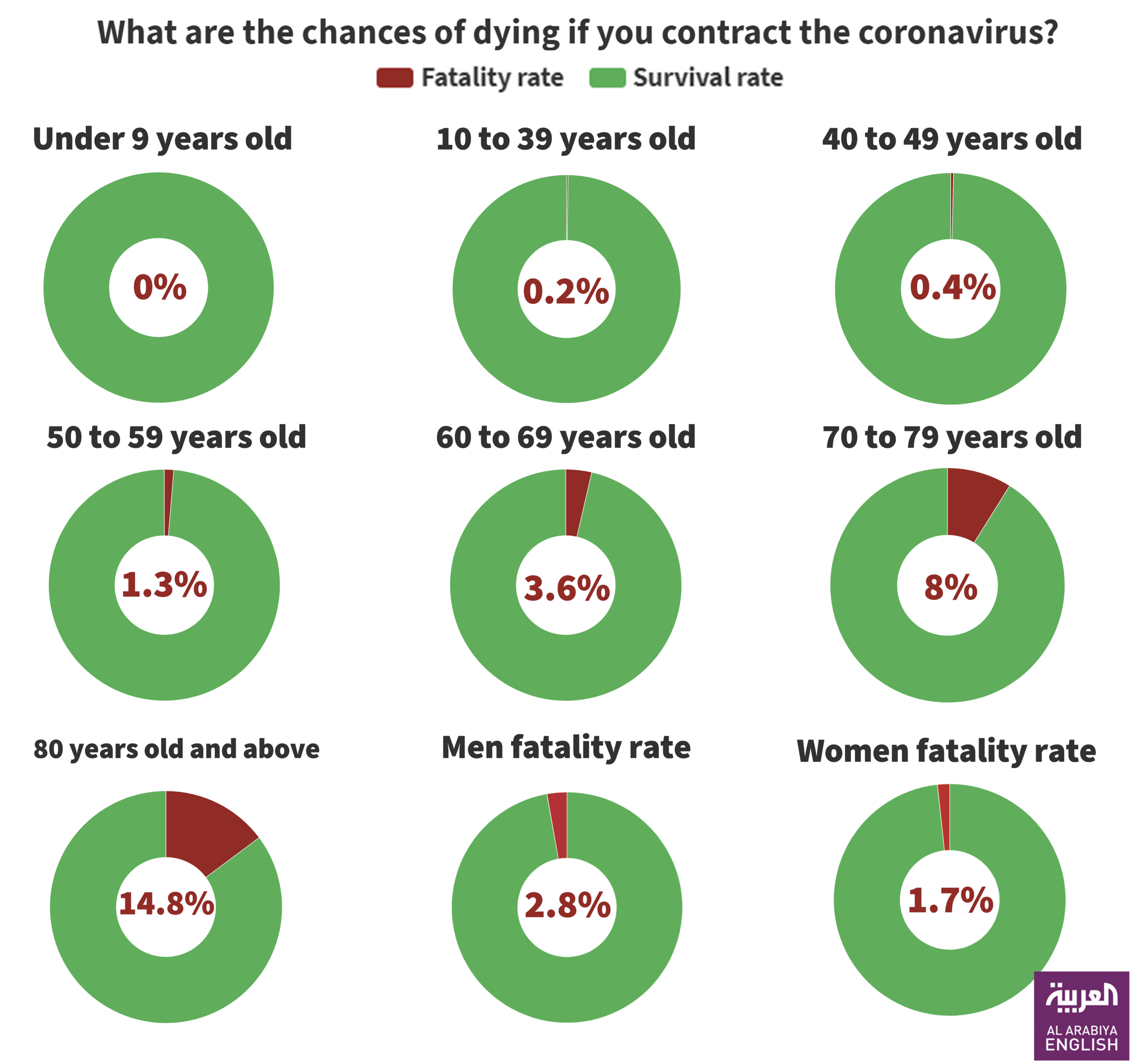
disease and the overall case-fatality rate is about 2.3% but reaches 8.0% in patients aged 70 to
79 years and 14.8% in those aged >80 years [4]. However, there is probably an important
number of asymptomatic carriers in the population, and thus the mortality rate is probably
overestimated. France is now facing the COVID-19 wave with more than 4500 cases, as of
March 14th 2020 [5]. Thus, there is an urgent need for an effective treatment to treat
symptomatic patients but also to decrease the duration of virus carriage in order to limit the
transmission in the community. Among candidate drugs to treat COVID-19, repositioning of
old drugs for use as antiviral treatment is an interesting strategy because knowledge on safety
profile, side effects, posology and drug interactions are well known [6,7].
A recent paper reported an inhibitor effect of remdesivir (a new antiviral drug) and
chloroquine (an old antimalarial drug) on the growth of SARS-CoV-2 in vitro, [8] and an
early clinical trial conducted in COVID-19 Chinese patients, showed that chloroquine had a
significant effect, both in terms of clinical outcome and viral clearance, when comparing to
controls groups [9,10]. Chinese experts recommend that patients diagnosed as mild, moderate
and severe cases of COVID-19 pneumonia and without contraindications to chloroquine, be
treated with 500 mg chloroquine twice a day for ten days [11].

Hydroxychloroquine (an analogue of chloroquine) has been demonstrated to have an anti-
SARS-CoV activity in vitro [12]. Hydroxychloroquine clinical safety profile is better than that

of chloroquine (during long-term use) and allows higher daily dose [13] and has fewer

6

concerns about drug-drug interactions [14]. Our team has a very comprehensive experience in
successfully treating patients with chronic diseases due to intracellular bacteria (Q fever due
to Coxiella burnetii and Whipple’s disease due to Tropheryma whipplei) with long-term
hydroxychloroquine treatment (600 mg/day for 12 to 18 months) since more than 20 years.
[15,16] We therefore started to conduct a clinical trial aiming at assessing the effect of
hydroxychloroquine on SARS-CoV-2-infected patients after approval by the French Ministry
of Health. In this report we describe our early results, focusing on virological data in patients
receiving hydroxychloroquine as compared to a control group.

2. Study population and Methods
Setting
This ongoing study is coordinated by The Méditerranée Infection University Hospital Institute
in Marseille. Patients who were proposed a treatment with hydroxychloroquine were recruited
and managed in Marseille centre. Controls without hydroxychloroquine treatment were
recruited in Marseille, Nice, Avignon and Briançon centers, all located in South France.
Patients
Hospitalized patients with confirmed COVID-19 were included in this study if they fulfilled
two primary criteria: i) age >12 years; ii) PCR documented SARS-CoV-2 carriage in
nasopharyngeal sample at admission whatever their clinical status.
Patients were excluded if they had a known allergy to hydroxychloroquine or chloroquine or
had another known contraindication to treatment with the study drug, including retinopathy,
G6PD deficiency and QT prolongation. Breastfeeding and pregnant patients were excluded
based on their declaration and pregnancy test results when required.

7

Informed consent
Before being included in the study, patients meeting inclusion criteria had to give their
consent to participate to the study. Written informed signed consent was obtained from adult
participants (> 18 years) or from parents or legal guardians for minors (<18 years). An
information document that clearly indicates the risks and the benefits associated with the
participation to the study was given to each patient. Patients received information about their
clinical status during care regardless of whether they participate in the study or not. Regarding
patient identification, a study number was assigned sequentially to included participants,
according to the range of patient numbers allocated to each study centre. The study was
conducted in accordance with the International Council for Harmonisation of Technical
Requirements for Pharmaceuticals for Human Use (ICH) guidelines of good clinical practice,
the Helsinki Declaration, and applicable standard operating procedures.
The protocol, appendices and any other relevant documentation were submitted to the French
National Agency for Drug Safety (ANSM) (2020-000890-25) and to the French Ethic
Committee (CPP Ile de France) (20.02.28.99113) for reviewing and approved on 5th and 6th
March, 2020, respectively. This trial is registered with EU Clinical Trials Register, number
2020-000890-25.

Procedure
Patients were seen at baseline for enrolment, initial data collection and treatment at day-0, and
again for daily follow-up during 14 days. Each day, patients received a standardized clinical
examination and when possible, a nasopharyngeal sample was collected. All clinical data
were collected using standardized questionnaires. All patients in Marseille center were
proposed oral hydroxychloroquine sulfate 200 mg, three times per day during ten days (in this
preliminary phase ,we did not enrolled children in the treatment group based in data indicating
that children develop mild symptoms of COVID-19 [4]). Patients who refused the treatment

8

or had an exclusion criteria, served as controls in Marseille centre. Patients in other centers
did not receive hydroxychloroquine and served as controls. Symptomatic treatment and
antibiotics as a measure to prevent bacterial super-infection was provided by investigators
based on clinical judgment. Hydroxychloroquine was provided by the National Pharmacy of
France on nominative demand.
Clinical classification
Patients were grouped into three categories: asymptomatic, upper respiratory tract infection
(URTI) when presenting with rhinitis, pharyngitis, or isolated low-grade fever and myalgia,
and lower respiratory tract infections (LRTI) when presenting with symptoms of pneumonia
or bronchitis.

PCR assay
SARS-CoV-2 RNA was assessed by real-time reverse transcription-PCR [17].
Hydroxychloroquine dosage
Native hydroxychloroquine has been dosed from patients’ serum samples by UHPLC-UV
using a previously described protocol [18]. The peak of the chromatogram at 1.05 min of
retention corresponds to hydroxychloroquine metabolite. The serum concentration of this
metabolite is deduced from UV absorption, as for hydroxychloroquine concentration.
Considering both concentrations provides an estimation of initial serum hydroxychloroquine
concentration.

Culture

9

For all patients, 500 μL of the liquid collected from the nasopharyngeal swab were passed
through 0.22-μm pore sized centrifugal filter (Merck millipore, Darmstadt, Germany), then
were inoculated in wells of 96-well culture microplates, of which 4 wells contained Vero E6
cells (ATCC CRL-1586) in Minimum Essential Medium culture medium with 4% fetal calf
serum and 1% glutamine. After centrifigation at 4,000 g, microplates were incubated at 37°C.
Plates were observed daily for evidence of cytopathogenic effect. Presumptive detection of

virus in supernatant was done using SU5000 SEM (Hitachi) then confirmed by specific RT-
PCR.

Outcome
The primary endpoint was virological clearance at day-6 post-inclusion. Secondary outcomes
were virological clearance overtime during the study period, clinical follow-up (body

temperature, respiratory rate, long of stay at hospital and mortality), and occurrence of side-
effects.

Statistics
Assuming a 50% efficacy of hydroxychloroquine in reducing the viral load at day 7, a 85%
power, a type I error rate of 5% and 10% loss to follow-up, we calculated that a total of 48
COVID-19 patients (ie, 24 cases in the hydroxychloroquine group and 24 in the control
group) would be required for the analysis (Fleiss with CC). Statistical differences were
evaluated by Pearson’s chi-square or Fisher’s exact tests as categorical variables, as
appropriate. Means of quantitative data were compared using Student’s t-test. Analyses were
performed in Stata version 14.2.

3. Results (detailed results are available in supplementary Table 1)


Demographics and clinical presentation
We enrolled 36 out of 42 patients meeting the inclusion criteria in this study that had at least
six days of follow-up at the time of the present analysis. A total of 26 patients received
hydroxychloroquine and 16 were control patients. Six hydroxychloroquine-treated patients
were lost in follow-up during the survey because of early cessation of treatment. Reasons are
as follows: three patients were transferred to intensive care unit, including one transferred on
day2 post-inclusion who was PCR-positive on day1, one transferred on day3 post-inclusion

who was PCR-positive on days1-2 and one transferred on day4 post-inclusion who was PCR-
positive on day1 and day3; one patient died on day3 post inclusion and was PCR-negative on

day2; one patient decided to leave the hospital on day3 post-inclusion and was PCR-negative
on days1-2; finally, one patient stopped the treatment on day3 post-inclusion because of
nausea and was PCR-positive on days1-2-3. The results presented here are therefore those of
36 patients (20 hydroxychloroquine-treated patients and 16 control patients). None of the
control patients was lost in follow-up. Basic demographics and clinical status are presented in
Table 1. Overall, 15 patients were male (41.7%), with a mean age of 45.1 years. The
proportion of asymptomatic patients was 16.7%, that of patients with URTI symptoms was
61.1% and that of patients with LRTI symptoms was 22.2%). All patients with LRTI
symptoms, had confirmed pneumonia by CTScan. Hydroxychloroquine-treated patients were
older than control patients (51.2 years vs. 37.3 years). No significant difference was observed
between hydroxychloroquine-treated patients and control patients with regard to gender,
clinical status and duration of symptoms prior to inclusion (Table 1). Among
hydroxychloroquine-treated patients six patients received azithromycin (500mg on day1
followed by 250mg per day, the next four days) to prevent bacterial super-infection under
daily electrocardiogram control. Clinical follow-up and occurrence of side-effects will be
described in a further paper at the end of the trial.

11

Hydroxychloroquine dosage
Mean hydroxychloroquine serum concentration was 0.46 μg/ml+0.2 (N=20).
Effect of hydroxychloroquine on viral load
The proportion of patients that had negative PCR results in nasopharyngeal samples
significantly differed between treated patients and controls at days 3-4-5 and 6 post-inclusion
(Table 2). At day6 post-inclusion, 70% of hydroxychloroquine-treated patients were
virologicaly cured comparing with 12.5% in the control group (p= 0.001).
When comparing the effect of hydroxychloroquine treatment as a single drug and the effect of
hydroxychloroquine and azithromyc in combination, the proportion of patients that had
negative PCR results in nasopharyngeal samples was significantly different between the two
groups at days 3-4-5 and 6 post-inclusion (Table 3). At day6 post-inclusion, 100% of patients
treated with hydroxychloroquine and azithromycin combination were virologicaly cured
comparing with 57.1% in patients treated with hydroxychloroquine only, and 12.5% in the
control group (p<0.001). These results are summarized in Figures 1 and 2. Drug effect was
significantly higher in patients with symptoms of URTI and LRTI, as compared to
asymptomatic patients with p<0.05 (data not show).
Of note, one patient who was still PCR-positive at day6-post inclusion under
hydroxychloroquine treatment only, received azithromycin in addition to hydroxychloroquine
at day8-post inclusion and cured her infection at day-9 post infection. In contrast, one of the
patients under hydroxychloroquine and azithromycin combination who tested negative at
day6 post-inclusion was tested positive at low titer at day8 post-inclusion.
Cultures
We could isolate SARS-CoV-2 in 19 out of 25 clinical samples from patients.

12

4. Discussion
For ethical reasons and because our first results are so significant and evident we decide to
share our findings with the medical community, given the urgent need for an effective drug
against SARS-CoV-2 in the current pandemic context.
We show here that hydroxychloroquine is efficient in clearing viral nasopharyngeal carriage
of SARS-CoV-2 in COVID-19 patients in only three to six days, in most patients. A
significant difference was observed between hydroxychloroquine-treated patients and controls
starting even on day3 post-inclusion. These results are of great importance because a recent

paper has shown that the mean duration of viral shedding in patients suffering from COVID-
19 in China was 20 days (even 37 days for the longest duration) [19]

Very recently, a Chinese team published results of a study demonstrating that chloroquine and
hydroxychloroquine inhibit SARS-CoV-2 in vitro with hydroxychloroquine
(EC50=0.72%μM) found to be more potent than chloroquine (EC50=5.47%μM) [14]. These
in vitro results corroborate our clinical results. The target values indicated in this paper [14]
were reached in our experiments. The safer dose-dependent toxicity profile of
hydroxychloroquine in humans, compared to that of chloroquine [13] allows using clinical
doses of hydroxychloroquine that will be over its EC50 observed in vitro [14].
Our preliminary results also suggest a synergistic effect of the combination of
hydroxychloroquine and azithromycin. Azithromycin has been shown to be active in vitro
against Zika and Ebola viruses [20-22] and to prevent severe respiratory tract infections when
administrated to patients suffering viral infection [23]. This finding should be further explored
to know whether a combination is more effective especially in severe cases. Speculated
potential risk of severe QT prolongation induced by the association of the two drugs has not

13

been established yet but should be considered. As for each treatment, the cost benefits of the
risk should be evaluated individually. Further studies on this combination are needed, since
such combination may both act as an antiviral therapy against SARS-CoV-2 and prevent
bacterial super-infections.
The cause of failure for hydroxychloroquine treatment should be investigated by testing the
isolated SARS-CoV-2 strains of the non-respondents and analyzing their genome, and by
analyzing the host factors that may be associated with the metabolism of hydroxychloroquine.
The existence of hydroxychloroquine failure in two patients (mother and son) is more
suggestive of the last mechanism of resistance.

Such results are promising and open the possibility of an international strategy to decision-
makers to fight this emerging viral infection in real-time even if other strategies and research

including vaccine development could be also effective, but only in the future. We therefore
recommend that COVID-19 patients be treated with hydroxychloroquine and azithromycin to
cure their infection and to limit the transmission of the virus to other people in order to curb
the spread of COVID-19 in the world. Further works are also warranted to determine if these
compounds could be useful as chemoprophylaxis to prevent the transmission of the virus,
especially for healthcare workers. Our study has some limitations including a small sample
size, limited long-term outcome follow-up, and dropout of six patients from the study,
however in the current context, we believe that our results should be shared with the scientific
community.

14

Titles for figures
Figure 1. Percentage of patients with PCR-positive nasopharyngeal samples from inclusion to

day6 post-inclusion in COVID-19 patients treated with hydroxychloroquine and in COVID-
19 control patients.

Figure 2. Percentage of patients with PCR-positive nasopharyngeal samples from inclusion to

day6 post-inclusion in COVID-19 patients treated with hydroxychloroquine only, in COVID-
19 patients treated with hydroxychloroquine and azithomycin combination, and in COVID-19

control patients.

Acknowledgements:
We thank Céline Boschi, Stéphanie Branger, Véronique Filosa, Géraldine Gonfier, Nadège
Palmero, Magali Richez and all the clinical, technical and paramedical staffs of the
hospitalization units and laboratories for their support in this difficult context.
Funding source
This work was supported by the French Government under the «
Investissements d’avenir » (Investments for the Future) program managed by the
Agence Nationale de la Recherche (ANR, fr: National Agency for Research),
(reference: Méditerranée Infection 10-IAHU-03)
References
[1] Lai CC, Shih TP, Ko WC, Tang HJ, Hsueh PR. Severe acute respiratory syndrome
coronavirus 2 (SARS-CoV-2) and coronavirus disease-2019 (COVID-19): The epidemic and


15

the challenges. Int J Antimicrob Agents. 2020 Feb 17:105924. doi:
10.1016/j.ijantimicag.2020.105924. [Epub ahead of print]
[2] Wang LS, Wang YR, Ye DW, Liu QQ. A review of the 2019 Novel Coronavirus
(COVID-19) based on current evidence”. Int J Antimicrob Agents. 2020 [Epub ahead of print]
[3] WHO Director-General’s opening remarks at the media briefing on COVID-19 – 11 March

2020. [https://www.who.int/dg/speeches/detail/who-director-general-s-opening-remarks-at-
the-media-briefing-on-covid-19—11-march-2020]

[4] Wu Z, McGoogan JM. Characteristics of and important lessons from the coronavirus
disease 2019 (COVID-19) outbreak in China: summary of a report of 72 314 cases from the
Chinese Center for Disease Control and Prevention. JAMA. 2020 Feb 24. doi:
10.1001/jama.2020.2648. [Epub ahead of print]
[5] Santé Publique France. Infection au nouveau Coronavirus (SARS-CoV-2), COVID-19,

France et Monde [https://www.santepubliquefrance.fr/maladies-et-traumatismes/maladies-et-
infections-respiratoires/infection-a-coronavirus/articles/infection-au-nouveau-coronavirus-
sars-cov-2-covid-19-france-et-monde]

[6] Colson P, Rolain JM, Raoult D. Chloroquine for the 2019 novel coronavirus SARS-CoV-
2. Int J Antimicrob Agents. 2020 Feb 15:105923. doi: 10.1016/j.ijantimicag.2020.105923.

[Epub ahead of print]
[7] Colson P, Rolain JM, Lagier JC, Brouqui P, Raoult D. Chloroquine and
hydroxychloroquine as available weapons to fight COVID-19. Int J Antimicrob Agents. 2020
[Epub ahead of print]

16

[8] Wang M, Cao R, Zhang L, Yang X, Liu J, Xu M, et al. Remdesivir and chloroquine
effectively inhibit the recently emerged novel coronavirus (2019-nCoV) in vitro. Cell Res
2020;10-0282.
[9] Gao J, Tian Z, Yang X. Breakthrough: Chloroquine phosphate has shown apparent
efficacy in treatment of COVID-19 associated pneumonia in clinical studies. Biosci Trends
2020 Feb 19. doi: 10.5582/bst.2020.01047. [Epub ahead of print]
[10] Chinese Clinical Trial Registry. http://www.chictr.org.cn/
searchproj.aspx?title=%E6%B0%AF%E5%96%B9&offi
cialname=&subjectid=&secondaryid=&applier=&study
leader=&ethicalcommitteesanction=&sponsor=&studya
ilment=&studyailmentcode=&studytype=0&studystage=
0&studydesign=0&minstudyexecutetime=&maxstudyexe
cutetime=&recruitmentstatus=0&gender=0&agreetosign
=&secsponsor=&regno=&regstatus=0&country=&prov
ince=&city=&institution=&institutionlevel=&measure=
&intercode=&sourceofspends=&createyear=0&isupload
rf=&whetherpublic=&btngo=btn&verifycode=&page=1.
[11] Multicenter collaboration group of Department of Science and Technology of
Guangdong Province and Health Commission of Guangdong Province for chloroquine in the
treatment of novel coronavirus pneumonia. Expert consensus on chloroquine phosphate for
the treatment of novel coronavirus pneumonia]. Zhonghua Jie He He Hu Xi Za Zhi. 2020 Mar
12;43(3):185-188. doi: 10.3760/cma.j.issn.1001-0939.2020.03.009.

17

[12] Biot C, Daher W, Chavain N, Fandeur T, Khalife J, Dive D, et al. Design and synthesis
of hydroxyferroquine derivatives with antimalarial and antiviral activities. J Med Chem
2006;49:2845-2849.
[13] Marmor MF, Kellner U, Lai TY, Melles RB, Mieler WF; American Academy of
Ophthalmology. Recommendations on Screening for Chloroquine and Hydroxychloroquine
Retinopathy (2016 Revision). Ophthalmology. 2016 Jun;123(6):1386-94. doi:
10.1016/j.ophtha.2016.01.058. Epub 2016 Mar 16.
[14] Yao X, Ye F, Zhang M, Cui C, Huang B, Niu P, et al. In Vitro Antiviral Activity and
Projection of Optimized Dosing Design of Hydroxychloroquine for the Treatment of Severe
Acute Respiratory Syndrome Coronavirus 2 (SARS-CoV-2). Clin Infect Dis. 2020 Mar 9. pii:
ciaa237. doi: 10.1093/cid/ciaa237. [Epub ahead of print]
[15] Raoult D, Houpikian P, Tissot Dupont H, Riss JM, Arditi-Djiane J, Brouqui P. Treatment
of Q fever endocarditis: comparison of 2 regimens containing doxycycline and ofloxacin or
hydroxychloroquine. Arch Intern Med. 1999 Jan 25;159(2):167-73.
[16] Lagier JC, Raoult D. Whipple’s disease and Tropheryma whipplei infections: when to
suspect them and how to diagnose and treat them. Curr Opin Infect Dis. 2018 Dec;31(6):463-
470. doi: 10.1097/QCO.0000000000000489. [x] Expert consensus on chloroquine phosphate
for the treatment of novel coronavirus pneumonia. Zhonghua Jie He He Hu Xi Za Zhi. 2020
Mar 12;43(3):185-188. doi: 10.3760/cma.j.issn.1001-0939.2020.03.009.
[17] Amrane S, Tissot-Dupont H, Doudier B, Eldin C, Hocquart M, Mailhe M et al. Rapid
viral diagnosis and ambulatory management of suspected COVID-19 cases presenting at the
infectious diseases referral hospital in Marseille, France, – January 31st to March 1st, 2020: A
respiratory virus snapshot. Travel Med Infect Dis. 2020 [Epub ahead of print].

18

[18] Armstrong N, Richez M, Raoult D, Chabriere E. Simultaneous UHPLC-UV analysis of
hydroxychloroquine, minocycline and doxycycline from serum samples for the therapeutic
drug monitoring of Q fever and Whipple’s disease. J. Chromatogr. B Analyt. Technol.
Biomed. Life Sci. 2017: 1060, 166-172.
[19] Zhou F, Yu T, Du R, Fan G, Liu Y, Liu Z, et al. Clinical course and risk factors for
mortality of adult inpatients with COVID-19 in Wuhan, China: a retrospective cohort study.
Lancet. 2020 Mar 11. pii: S0140-6736(20)30566-3. doi: 10.1016/S0140-6736(20)30566-3.
[Epub ahead of print]
[20] Retallack H, Di Lullo E, Arias C, Knopp KA, Laurie MT, Sandoval-Espinosa C, et al.
Zika virus cell tropism in the developing human brain and inhibition by azithromycin. Proc
Natl Acad Sci U S A. 2016 Dec 13;113(50):14408-14413. Epub 2016 Nov 29.
[21] Madrid PB, Panchal RG, Warren TK, Shurtleff AC, Endsley AN, Green CE, Kolokoltsov
A, et al. Evaluation of Ebola Virus Inhibitors for Drug Repurposing. ACS Infect Dis. 2015 Jul
10;1(7):317-26. doi: 10.1021/acsinfecdis.5b00030. Epub 2015 May 11.
[22] Bosseboeuf E, Aubry M, Nhan T, de Pina, JJ, Rolain JM, Raoult D, et al. Azithromycin
inhibits the replication of Zika virus. J Antivirals Antiretrovirals. 2018 10(1):6-11. doi:
10.4172/1948-5964.1000173.
[23] Bacharier LB, Guilbert TW, Mauger DT, Boehmer S, Beigelman A, Fitzpatrick AM, et
al. Early administration of azithromycin and prevention of severe lower respiratory tract
illnesses in preschool children with a history of such illnesses: A randomized clinical trial.
JAMA. 2015 Nov 17;314(19):2034-2044. doi: 10.1001/jama.2015.13896.


Hydroxychloroquine and azithromycinTable1&amp;2

Hydroxychloroquine and azithromycin-Table3

Hydroxychloroquine and azithromycinTable4

Hydroxychloroquine and azithromycin Table5

18 March 2020 – Border Patrol won’t turn over criminal illegals BECAUSE the Sanctuary Cities jurisdictions REFUSE to prosecute them

My job is to protect the United States

he is my new hero and the list is getting longer under Trump

Sanctuary Cities are making the WORLD less safe.  These CRIMINALS will now, thankfully, be deported.  Let the country of origin deal with them as they should have in the FIRST place.

Image result for rodney scott
NEWS 

New Border Patrol chief says he won’t turn illegal aliens over for criminal prosecution if sanctuary jurisdictions won’t return them

‘My job is to protect the United States and to secure the borders, not to get prosecutions’

The Border Patrol’s new chief said this week that the law enforcement agency won’t be turning over illegal aliens accused of crimes if the prosecuting jurisdiction can’t guarantee that they’ll be given back to federal authorities for deportation afterward.

“My job is to protect the United States and to secure the borders, not to get prosecutions, so we are deporting people that have active warrants because the state will not give back that person to us, and we have to pick: federal law or state law,” Rodney Scott said recently at a briefing, as reported Tuesday by the Washington Examiner.

The new chief also said it doesn’t matter what kind of crime the illegal alien has been charged with if a jurisdiction won’t cooperate with immigration authorities.

“It doesn’t really matter the charge,” Scott explained, according to the report. “If they will not give confirmation that they are going to return the individual, then we are not going to turn them over. We’ll prosecute them federally, then deport them.”

Scott, a 27-year veteran of the U.S. Border Patrol, was named chief of the agency in late January. Before that, he headed up the agency’s San Diego Sector, which includes 60 miles of land border with Mexico and over 930 miles of coastal border stretching from California to Oregon. The sector also employs over 2,200 uniformed agents, according to its Fiscal Year 2019 report.

In a January statement announcing his selection for the post, acting CBP Commissioner Mark Morgan called Scott “the absolute embodiment of the U.S. Border Patrol’s motto, ‘Honor First.'”

Fighting against sanctuary jurisdiction policies throughout the United States has been a key component of the Trump administration’s immigration policy since the president took office. For example, earlier this year, Immigration and Customs enforcement called out Cook County, Illinois, in January for releasing 1,070 criminal aliens and immigration violators during Fiscal Year 2019 despite detainer requests.

Last month, acting ICE Director Matthew Albence also slammed sanctuary policies following an inspector general’s report that state and local jurisdictions’ non-cooperation actions since 2013 had resulted in over 17,000 removable aliens still being at large.


from – https://www.theblaze.com/news/new-border-patrol-chief-says-he-wont-turn-illegal-aliens-over-for-criminal-prosecution-if-sanctuary-jurisdictions-wont-return-them

18 March 2020 – California activates National Guard – on Alert!!

We are here from the Government and we have come to HELP!!!

California preparing for worst case scenarios

It’s likely “few if any” California schools will reopen before summer break, Gov. Gavin Newsom said Tuesday as he provided a stark assessment of the implications from the spreading coronavirus that threatens to overwhelm the state’s hospitals and drain its spending reserves.

While urging Californians to stay united and promising “we will get back to the life that we have lived,” Newsom also acknowledged much is unknown and so the state is preparing for frightening worst-case scenarios. He put the California National Guard on alert for duties that include humanitarian missions like ensuring proper food distribution and public safety as some grocery stores resorted to rationing to control panic buying.

He said the state is acquiring two vacant hospitals to beef up capacity as it faces the possibility of a surge of hospital patients. California also is negotiating with about 900 hotels to acquire tens of thousands of rooms that could be used for hospital patients and for the homeless, a group particularly susceptible to coronavirus, which is spread by coughs and sneezes.

The virus is affecting every aspect of life in California and is devastating many of the state’s key industries.

With the state’s reserves approaching $21 billion, Newsom said the state has more money in its savings account than ever before. But he warned that “the magnitude of this moment may exceed those reserves.”

The state Legislature approved $1.1 billion in emergency spending Monday and then voted to suspend its session in what is believed to be the first unexpected work stoppage in 158 years. Lawmakers went one step further Tuesday by closing both the Capitol and the Legislative Office Building to the public “until further notice.”

It’s all part of a rapidly escalating reaction that saw three more Northern California counties on Tuesday follow the example of those in the San Francisco Bay Area that told residents to stay at home and go outside only for food, medicine and other essential needs.

At a news conference, Newsom did not announce a similar requirement statewide, but previously told bars, restaurants, movie theaters, fitness centers and other gathering places to shut their doors as the death toll crept to 12 and the number of confirmed cases neared 500. All people 65 and older and those with underlying health conditions have been encouraged to stay indoors.

In readying the National Guard for action, Newsom’s office emphasized that it’s for duties routinely performed during natural disasters and other emergencies. But Newsom grimly added that “we have the ability to do martial law … if we feel the necessity.”

Imposing martial law would take the extraordinary step of replacing the usual laws with military authority, with the possible suspension of civil liberties like freedom of association and movement.

U.S. and California health officials have repeatedly warned that the virus could have a devastating impact and that the timetable for controlling it isn’t known. President Donald Trump on Monday said the crisis could last until August.

California’s 415 hospitals have been planning for a surge of patients. They have about 88,000 beds and Newsom said health officials are running models to determine needs based on various infection rates and resulting hospitalizations. Under worst-case scenarios, California could be short 20,000 beds, he said.

“So we had a very candid and a sober if not sobering conversation about where we may be and where we need to go together,” he said after the meeting with hospital officials. “The good news is none of it surprised any of us. We as a state, working with our system, anticipated much of these needs and have been running plans to address them.”

He said the state should have the two large hospitals in its possession as early as Friday and will use money from the emergency authorization to get them ready for service.

Meantime, on the education front, Newsom said nearly 99% of the state’s K-12 schools are shuttered for periods generally ranging from two to five weeks. Newsom, a father of four young children, said his family is among those that have started home-schooling.

“It is unlikely that many of these schools, few if any, will open before the summer break,” he said, urging the more than 6 million schoolchildren and their families to make long-term plans.

The state has applied for a federal waiver that means children would not have to face academic tests once they eventually return to school, said Newsom, a first-term Democrat.

“We think it is totally inappropriate for kids to worry about coming back and being tested,” he said.

Newsom also shared a personal story that influenced his decision to tell the public to prepare for longer-than-expected closures.

He said he returned home late Monday after a hectic day to find one of his two daughters, 6-year-old Brooklynn, in her room, her stuffed bunny and most of her bedding on the floor. She was crying and upset about her school being closed and not seeing her friends.

“I told her, ‘Honey, I don’t think the schools are going to open again,’” Newsom said. “If I can tell my daughter that and not tell your daughter … then I’m not being honest and true to the people of the state of California. Boy I hope I’m wrong, but I believe that to be the case.”

California education and health officials late Tuesday offered guidelines for teachers to assist children with online learning, while offering free access to learning tools. It also offered guidelines for how to distribute free meals.

Many of the shuttered schools may be used to provide meals to lower-income students and for child care, Newsom said.

Providing child care at a time when residents are supposed to remain well separated to avoid spreading the disease brings its own challenges, Newsom said. Those caregivers “will want to have personally protective gear, make sure social distancing is practiced, make sure that we not just secure the sites but make sure that they’re healthy,” he said.

He said some of the money approved by state lawmakers on Monday could go to help with that effort.

___

Associated Press journalists Kathleen Ronayne and Cuneyt Dil contributed to this story.


from – https://www.fox5ny.com/news/california-preparing-for-worst-case-scenarios

Secrets of the Universe

University Of Harns

The Goomba Gazette

Commonsense - fairness - honesty - shooting straight from the hip

The Lone Cactus

Only The Truth Shall Survive!

The Mad Jewess

Portuguese/Sephardic & My Fabulous Jewish Husband

The Conservative-Patriot Christian Right

Conservative-Patriot Politics and Christian Right

THE DC PATRIOT

Revolutionary Journalism | Conservative News, Politics & American Values

foxblog1

Child Abuse and the Occult

Allah's Willing Executioners

Antisemitism, Antizionism, Jihadism and the Reunited Germany. News by Fred Alan Medforth

Coercion Code - "Dark Times are upon us"

"Brethren, do not be children in understanding; however, in malice be babes, but in understanding be men". - 1 Corinthians 14:20

Mark Arnold Blog

Online Marketing Strategies

Rain Coast Review

Thoughts on life... by Donald B. Wilson

TILJournal

Truth In Love: News, Sports, and Culture Analysis and Commentary

A NATION BEGUILED

"It is the duty of the patriot to protect his country from his government." - Thomas Paine

Politics Religion and Family

if you like the content, then support it - https://www.patreon.com/TXLady706

Discover WordPress

A daily selection of the best content published on WordPress, collected for you by humans who love to read.

The Atavist Magazine

if you like the content, then support it - https://www.patreon.com/TXLady706

Longreads

Longreads : The best longform stories on the web

Design a site like this with WordPress.com
Get started