30 May 2020 – SpaceX and NASA launch Dragon, while race riots rage ignited by the same Communists – “a set up”

Instead of celebrating the GOOD of America these people riot

DRAGON is launched


DragonLaunch1


NASA Live: Official Stream of NASA TV


DragonLaunch2

Dragon is a flip off to China

DragonLaunch3


The same Communists that started all the other riots started these riots and some of them sit in the same leadership positions

EllisonAntifaEllisonOsamaBinLaden

These riots are not organic

The tools for riots are being NOT organically attained.  They are in fact being delivered and staged at the locations that have been PRE designated.  THIS IS PLANNED.  I’m trying to find images of buses.  The buses are being PAID for by organizations that can be tied to people who MUST be held accountable.  Soros may be one, but he is NOT the ONLY one.  ALL must be traced!!!!!

The man in this video:

This is a set up –

“they put them there on purpose”

“aint no damn construction going on up here”

“where do them bricks go to?”


thisISaSETUP


28 May 2020 – President Trump puts a leash on Social media – media goes berserk

Twitter silences free speech.  Therefore, the only way to square that is to silence the silencers.  The wrong is to silence, therefore to correct the wrong is to USE that wrong against the one perpetrating it.  Choosing any other way, at this type of evil will never square the wrong.  GOOD vs EVIL.  Moral vs Immoral.  Constitutional vs UN-Constitutional.

People often say two wrongs don’t make a right.  However, President Trump is NOT silencing Twitter.  Twitter has free speech.  They only thing that he is doing is UNDOING what they have chosen to impose.  Therefore, he is not silencing them.  He is using the EVIL that THEY created to REMOVE THAT said EVIL.  It’s out of THEIR mouths that this Order is coming.  Not unlike Pharaoh, who declare Israel’s first born to be killed, rather god had said prior that it will be PHARAOH that chooses the NEXT plague.

THEY did this to themselves.

Are they a public platform ? or NOT?

If not, then Trump should cease Tweeting and decree that NO other government or affiliated agency or company associated with the government shall use any current social media and create an official gov platform for speech.

Either that or SOCIAL media must be classified as a UTILITY. Then, if there is a need for private competition to the Utility, then the private industry is welcome to compete.  But no gov or affiliate or official can use any platform other than the OFFICIAL platform.  The official platform doesn’t have to be Twitter.  If can be readily developed.  There are other platforms that are just as good now.  But people use Twitter because the official government agencies use it.

Trump to Sign Executive Order on Social Media on Thursday, WH Says

Trump to Sign Executive Order on Social Media on Thursday, WH Says
(Getty Images)

Wednesday, 27 May 2020 10:47 PM

President Donald Trump will sign an executive order on social media companies on Thursday, White House officials said after Trump threatened to shut down websites he accused of stifling conservative voices.

The officials gave no further details. It was unclear how Trump could follow through on the threat of shutting down privately owned companies including Twitter Inc. The company declined comment.

The dispute erupted after Twitter on Tuesday for the first time tagged Trump’s tweets about unsubstantiated claims of fraud in mail-in voting with a warning prompting readers to fact check the posts.


——me

This is gaslighting.  Anyone can do a tertiary search on Google or whatever and find articles of Voter Fraud confirmed.

——me

Separately, a three-judge panel of the U.S. Court of Appeals in Washington on Wednesday upheld the dismissal of a lawsuit by a conservative group and right-wing YouTube personality against Google, Facebook, Twitter and Apple accusing them of conspiring to suppress conservative political views.

In an interview with Fox News Channel on Wednesday, Facebook’s Chief Executive Mark Zuckerberg said censoring a platform would not be the “right reflex” for a government worried about censorship. Fox played a clip of the interview and said it would be aired in full on Thursday.

Facebook left Trump’s post on mail-in ballots on Tuesday untouched.

The American Civil Liberties Union said the First Amendment of the U.S. Constitution limits any action Trump could take. Facebook and Google declined comment. Apple did not respond to a request for comment.

“Republicans feel that Social Media Platforms totally silence conservatives voices. We will strongly regulate, or close them down, before we can ever allow this to happen,” Trump said in a pair of additional posts on Twitter on Wednesday.

The president, a heavy user of Twitter with more than 80 million followers, added: “Clean up your act, NOW!!!!”

Republican Trump has an eye on the November election. “Big Tech is doing everything in their very considerable power to CENSOR in advance of the 2020 Election,” Trump tweeted on Wednesday night. “If that happens, we no longer have our freedom.”

STRONGEST THREAT YET

Trump’s threat is his strongest yet within a broader conservative backlash against Big Tech. Shares of both Twitter and Facebook fell on Wednesday.

Last year the White House circulated drafts of a proposed executive order about anti-conservative bias which never gained traction.

The Internet Association, which includes Twitter and Facebook among its members, said online platforms do not have a political bias and they offer “more people a chance to be heard than at any point in history.”

Asked during Twitter’s annual meeting on Wednesday why the company decided to affix the label to Trump’s mail-in ballot tweets, General Counsel Sean Edgett said decisions about handling misinformation are made as a group.

“We have a group and committee of folks who take a look at these things and make decisions on what’s getting a lot of visibility and traction …,” he said.

In recent years Twitter has tightened its policies amid criticism that its hands-off approach allowed fake accounts and misinformation to thrive.

Tech companies have been accused of anti-competitive practices and violating user privacy. Apple, Google, Facebook and Amazon face antitrust probes by federal and state authorities and a U.S. congressional panel.

Republican and Democratic lawmakers, along with the U.S. Justice Department, have been considering changes to Section 230 of the Communications Decency Act, a federal law largely exempting online platforms from legal liability for the material their users post. Such changes could expose tech companies to more lawsuits.

Republican Senator Josh Hawley, a frequent critic of Big Tech companies, sent a letter to Twitter Chief Executive Jack Dorsey asking why the company should continue to receive legal immunity after “choosing to editorialize on President Trump’s tweets.”

—–me

they should not


—–me


27 MAY 2020- Food-deprived bumblebees manipulate the timing of a plant’s flowering -READ HOW HERE

I’m total geek – I love finding stuff like this

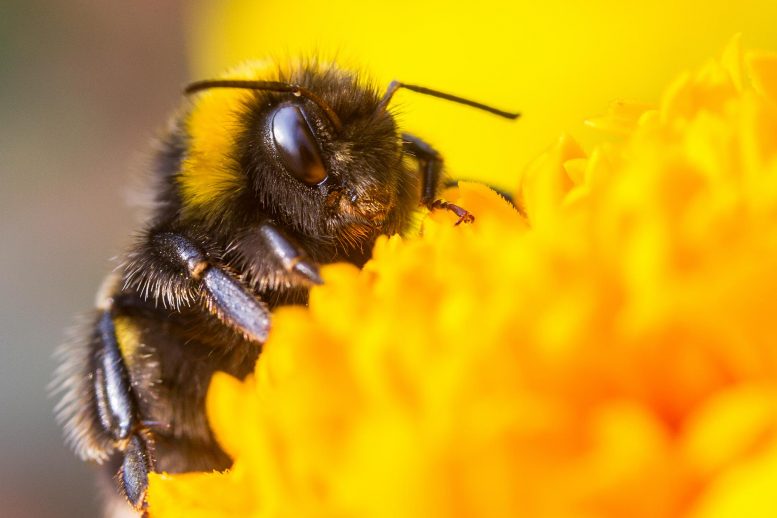
An Incredible New Bumble Bee Behavior Was Just Discovered – So Sophisticated, Scientists Cannot Reproduce

Bumble Bee Flower

Facing a scarcity of pollen, bumblebees will nibble on the leaves of flowerless plants, causing intentional damage in such a way that accelerates the production of flowers, according to a new study, which reports on a previously unknown behavior of bumblebees.

The leaf-damaging bumblebee bites have a drastic effect on plant flowering, compelling some to bloom two weeks to a full month earlier. Although the mechanisms by which deliberate bee damage accelerate flowering remain unclear, the results reveal bumblebees as powerful agents in influencing the local availability of floral resources.

“An encouraging interpretation of the new findings is that behavioral adaptations of flower-visitors can provide pollination systems with more plasticity and resilience to cope with climate change than hitherto suspected,” writes Lars Chittka in a related Perspective. Plants and pollinators rely on one another for survival.

Just as pollinators, like bumblebees, depend on flowers for crucial nutrition, plants need pollinators to reproduce. This symbiotic relationship is kept in balance by the synchronous timing of the emergence of hibernating insects and spring blossoms as spring temperatures rise and the days get longer. But this fragile arrangement is threatened by climate change. For instance, warming early season temperatures could cause pollinators to wake up too soon, before the springtime bloom and without a source of food.

Foteini Pashalidou and colleagues discovered an adaptive strategy used by food-deprived bumblebees to manipulate the timing of a plant’s flowering. Pashalidou et al. observed bumblebee workers from pollen-starved colonies use their mouthparts to cut distinctively shaped holes in the leaves of flowering plants, which resulted in them flowering significantly earlier.

The authors were not able to reproduce the flower-stimulating effects by mimicking the damage on their own, however, suggesting a yet-unknown feature distinct to the bees’ approach. “Understanding the molecular pathways by which one could accelerate flowering by a full month, as reported [by Pashalidou et al.], would be a horticulturalist’s dream,” Chittka writes.

Reference: “Bumble bees damage plant leaves and accelerate flower production when pollen is scarce” by Foteini G. Pashalidou, Harriet Lambert, Thomas Peybernes, Mark C. Mescher and Consuelo M. De Moraes, 22 May 2020, Science.
DOI: 10.1126/science.aay0496


FROM – https://scitechdaily.com/an-incredible-new-bumble-bee-behavior-was-just-discovered-so-sophisticated-scientists-cannot-reproduce/


27 MAY 2020 – ELON MUSK’S SPACEX – DELAY – I LIKE THE NEW SUITS !

Air Force One and launch pad
Air Force One flies above Launch Complex 39A at NASA’s Kennedy Space Center in Florida, carrying President Donald Trump to witness SpaceX’s Crew Dragon launch. (GeekWire Photo / Kevin Lisota)

Update for 1:16 p.m. PT: Today’s launch of the SpaceX Crew Dragon is being postponed until May 30, due to unacceptable weather. Check back for a full update.

Previously: Nearly nine years after the last space shuttle flew, NASA and SpaceX are counting down to the next launch to put astronauts into orbit from Florida.

The launch of SpaceX’s Crew Dragon capsule atop a SpaceX Falcon 9 rocket will mark the first-ever use of a privately owned spaceship for a crewed orbital launch, and a renaissance for U.S. spaceflight.

“We are once again launching American astronauts on American rockets from American soil, and this is a big moment in time,” NASA Administrator Jim Bridenstine said during a launch-eve briefing.

“This is a dream come true, for me and for everyone at SpaceX,” Elon Musk, the California-based company’s CEO, told a NASA interviewer as he waited for liftoff. “This is not something that I ever thought would actually happen. … It’s really hard to believe that this is real.”

NASA astronauts Doug Hurley and Bob Behnken are due to ride SpaceX’s Crew Dragon capsule and Falcon 9 rocket to the International Space Station from Launch Complex 39A at Kennedy Space Center in Florida. It’s the same launch pad where the Apollo 11 crew began their journey to the moon, and where the first and the last space shuttle mission blasted off.

Liftoff is scheduled for 4:33 p.m. ET (1:33 p.m. PT) today, and NASA TV is streaming live coverage of the countdown. In-person viewing of the launch was restricted due to concerns about the coronavirus pandemic, but more than 2.5 million people watched the proceedings online.

Musk said he spoke with the astronauts’ families before Hurley and Behnken headed to the launch pad, and told their children: “We’ve done everything we can to make sure your dad’s coming back OK.”

The pair rode to the pad in a Tesla Model X SUV. After riding an elevator to the top of the launch tower, they signed their names on the wall of the white room leading to the Crew Dragon’s hatch, marking the start of a new tradition. They were helped to their seats by SpaceX’s black-clad “ninjas” and went through a series of communication checks. Then the hatch was closed, a little less than two hours before launch.

Assuming the launch happens today, President Donald Trump is expected to talk about the milestone mission and its significance at Kennedy Space Center’s iconic Vehicle Assembly Building.

But launching today isn’t a sure thing: Forecasters said the chances of acceptable weather to 50 percent, with Tropical Storm Bertha passing over the Carolina coast, and there were further concerns about conditions in the Atlantic Ocean recovery zones that would have to be used for a premature splashdown in the event of an emergency.

As usual for a Falcon 9 launch, SpaceX has ships out in the Atlantic to recover the rocket’s first-stage booster and nose cone. Additional military vessels are on alert just in case Hurley and Behnken have to be plucked out of the ocean.

At T-minus-45 minutes, the launch team gave the go-ahead for the Falcon 9 to be fueled up and for the Crew Dragon’s launch escape system to be armed. The weather was still iffy.

If SpaceX and NASA decide to postpone the launch, due to weather concerns or any last-minute technical problem, the backup dates are May 30 and 31. But if the launch goes as planned, the Crew Dragon will catch up with the space station for a docking on Thursday.

A test pilot’s dream

Hurley and Behnken are scheduled to spend somewhere between six and 16 weeks on the station, living and working alongside NASA crewmate Chris Cassidy and Russian cosmonauts Anatoly Ivanishin and Ivan Vagner. Because of the uncertainties surrounding their test mission, it’s not yet clear what duties the Dragon riders will take on. Behnken has even been trained to take on a spacewalk if needed.

At the end of their tour of duty, Hurley and Behnken will climb back into the Crew Dragon for the descent to an Atlantic Ocean splashdown and recovery. Then NASA will assess the spacecraft’s performance, work with SpaceX to make tweaks if necessary, and get set to launch another crew on a different Dragon.

Hurley and Behnken are both veteran military test pilots with space shuttle experience. During a pre-launch news conference, Behnken said he was excited to be one of the first people to fly on a Crew Dragon.

“It’s probably the dream of every test pilot school student to have the opportunity to fly on a brand new spaceship, and I’m lucky to get that opportunity with my good friend here,” he said.


Hurley was the pilot on the shuttle Atlantis’ mission to the space station in 2011, which closed out the 30-year shuttle program. During that flight, Atlantis’ crew left behind a U.S. flag that was reserved for the next crew to arrive at the space station after a launch from Florida. Now he’s in line to retrieve that same flag.

“We’ll bring it back when we come back later this summer,” Hurley said.

Since Hurley’s previous flight, NASA has had to pay the Russians up to $80 million a seat to have its astronauts ferried back and forth from the space station on Soyuz spacecraft. If the Crew Dragon demonstration mission is successful, NASA will essentially be paying U.S. companies for space taxi rides instead. Any future Soyuz rides will be arranged on a barter basis.


——–me—

NOT SURE IF I LIKE THAT EITHER. 

I LIKE THE NEW SUITS

——–me—

14 years of space commercialization

Replacing NASA’s old space shuttles was no easy or quick task: The job actually started back in 2006, when NASA made its first selections for commercial cargo transport services. With NASA’s financial support, SpaceX developed a first-generation, uncrewed Dragon capsule to serve those cargo needs. (Another cargo capsule called the Cygnus was built by Orbital Sciences, which is now part of Northrop Grumman.)

In 2014, SpaceX and Boeing were selected to provide more capable space taxis that would have all the safety features required for crewed flight. SpaceX redesigned its cargo-capable Dragon to accommodate crew, while Boeing built a new type of capsule called Starliner.

Both SpaceX and Boeing suffered setbacks. SpaceX notched a success with an uncrewed Crew Dragon demonstration mission to the space station and back in March 2019, but just weeks later, the Dragon erupted in fire during a test of its thrusters. The propulsion system had to be redesigned to fix the problem for good.

Last December, a software glitch spoiled Starliner’s uncrewed mission to the space station, forcing Boeing to take dozens of corrective actions. As a result, another uncrewed test mission will need to be flown, and Boeing seems certain to miss out on capturing the flag.

Although the spaceship development effort has taken longer than expected, NASA officials said in a recent report that the space agency got a relative bargain.

Phil McAllister, NASA’s director of commercial spaceflight, estimated that the space agency spent about $6 billion for the development of the two commercial crew transport systems .He said it would have cost $20 billion to $30 billion more for NASA to build its own system with similar capabilities.

That assessment suggests SpaceX CEO Elon Musk accurately predicted the future back in 2006 when he discussed what commercialization would mean for America’s space effort. “This is going to be the best value for money that NASA and the American taxpayers have ever received,” he told me at the time.

Theoretically, all those savings will free up NASA to set its sights beyond Earth orbit, to the moon and Mars. NASA has been spending tens of billions of dollars to build an Orion deep-space capsule as well as a heavy-lift rocket called the Space Launch System to send astronauts to the lunar surface by as early as 2024.

But at the same time, SpaceX and other launch companies are also setting their sights higher. SpaceX is currently developing a super-heavy-lift launch system called Starship, which Musk has said could be flying missions to the moon and Mars by the mid-2020s. Amazon CEO Jeff Bezos’ privately held space company, Blue Origin, has lunar ambitions as well.

Meanwhlle, both SpaceX and Boeing are making plans to fly their own customers on space taxis, perhaps including action hero Tom Cruise. NASA’s Bridenstine has said he welcomes the companies’ efforts to drum up more business.

“We are going to be one customer of many customers in a robust commercial marketplace,” he said last year.

So if all goes well with SpaceX’s first-ever crewed spaceflight, it may not be long before NASA isn’t the only one having Dragon riders sent into orbit.

This report was first published at 9:10 a.m. PT May 27 and his been updated frequently since then.


25 May 2020 – Where is all the money going if the hospitals are empty?

If all the hospitals are empty, then why were they previously FULL?  Were these patients really needing treatment?  Who was paying for all the NON – ESSENTIAL  hospitalizations?

$21M Brooklyn field hospital never saw a patient amid coronavirus pandemic

A roughly $21 million Brooklyn field hospital authorized by the de Blasio administration at the height of the coronavirus pandemic opened and closed without ever seeing one patient, according to city officials.

————- me

d e Blasio ——https://www.nydailynews.com/news/election/de-blasio-names-de-blasio-article-1.1463591

————- me


The Brooklyn Cruise Terminal in Red Hook was one of several sites across the five boroughs converted into a medical facility as a way to relieve the city’s overburdened hospital system as the COVID-19 crisis mounted.

Mayor Bill de Blasio announced plans on Mar. 31 — a day after the USNS Comfort hospital ship arrived in New York Harbor to aid in the coronavirus fight — for the $20.8 million Red Hook field hospital with an estimated capacity for 750 beds.

The field hospital was built by Texas-based construction company SLSCO.

“They are going to set it up rapidly and we’re then going to go to the next site, the next site, the next site to meet our goal,” de Blasio told reporters of the site during that press conference in which the mayor also outlined the details to turn Queens’ Billie Jean King National Tennis Center into a 350-bed temporary hospital.

Enlarge ImageThe Brooklyn Cruise Terminal in Red Hook
The field hospital was closed before it ever opened.

The makeshift hospital at the Brooklyn Cruise Terminal was expected to open in April, but was not ready until May 4 – and is now being disbanded after being left unused, The City first reported.

“As part of our hospital surge, we expanded capacity at a breakneck speed, ensuring our hospital infrastructure would be prepared to handle the very worst. We did so only with a single-minded focus: saving lives,” de Blasio spokeswoman Avery Cohen told The Post Friday.

“Over the past few months, social distancing, face coverings, and other precautionary measures have flattened the curve drastically, and we remain squarely on focused taking that progress even further,” Cohen added.

The funding for the Red Hook hospital is expected to be reimbursed by FEMA.
FILED UNDER         5/22/20

23 May 2020 – STUDY- “Important implications for the interaction between microwaves and biological tissues, which is a highly concerned public issue.” Virus – epidemics – controlled via Microwave

I’ve highlighted the parts below that I found very interesting.

IEEE is a standard used in all computer and electronic equipment.  So, these implications are also concerning when applied to all who are in close proximity to Data centers or high frequency towers as well.  If these frequencies kill virus’, then they can be acting upon other things as well.  There is not enough study about this on other things other than virus’.  We need more studies in this regard.


Efficient Structure Resonance Energy Transfer from Microwaves to Confined Acoustic Vibrations in Viruses

Associated Data

Supplementary Materials

Abstract

Virus is known to resonate in the confined-acoustic dipolar mode with microwave of the same frequency. However this effect was not considered in previous virus-microwave interaction studies and microwave-based virus epidemic prevention. Here we show that this structure-resonant energy transfer effect from microwaves to virus can be efficient enough so that airborne virus was inactivated with reasonable microwave power density safe for the open public. We demonstrate this effect by measuring the residual viral infectivity of influenza A virus after illuminating microwaves with different frequencies and powers. We also established a theoretical model to estimate the microwaves power threshold for virus inactivation and good agreement with experiments was obtained. Such structure-resonant energy transfer induced inactivation is mainly through physically fracturing the virus structure, which was confirmed by real-time reverse transcription polymerase chain reaction. These results provide a pathway toward establishing a new epidemic prevention strategy in open public for airborne virus.

In the past few decades, tremendous efforts have been made to kill airborne viruses such as severe acute respiratory syndrome (SARS) coronavirus or influenza viruses, which have caused catastrophic illness worldwide. Current airborne virus epidemic prevention to be used in public space includes strong chemical inactivation, UV irradiation, and microwave thermal heating. All these methods affect the open public. In 1980s, Robach et al. and Cerf  demonstrated that ultrasonic energy can be absorbed by viruses. In 2000, Babincová et al. hypothesized that viruses can be inactivated by generating the corresponding resonance ultrasound vibrations of viruses, which is in the GHz region. Based on this hypothesis, several groups started investigating the vibrational modes of viruses in this frequency range,,,. Recently we demonstrated that dipolar mode of the confined acoustic vibrations (CAVs) inside viruses can be resonantly excited by microwaves of the same frequency with a resonant microwave absorption effect. The observed microwave resonance absorption phenomenon indicates a possible structure-resonant energy transfer (SRET) effect from electromagnetic waves (EM waves) to CAVs of viruses. Theoretically this SRET process is an efficient way to excite the vibrational mode of the whole virus structure due to a 100% energy conversion of a photon into a phonon of the same frequency, but the overall SRET efficiency is also related to the mechanical properties of the surrounding environment, which influences the quality factor of the oscillator (virus). A study on the SRET efficiency to inactive virus is thus highly desired and it will determine if this SRET phenomenon provides a solution to inactivate airborne viruses in open public for epidemic prevention.

In this article, we show that SRET from microwave to virus can be efficient enough so that airborne virus was inactivated with reasonable microwave power density safe for the open public. To investigate the SRET efficiency from EM waves to CAVs in viruses, we first developed a theoretical model to describe the relation between the induced stress and the field magnitude of the illuminating microwave. Since the viruses could be inactivated when the induced stress fractures the structure of viruses, we propose to explore the SRET efficiency from microwaves to viruses through measuring the virus inactivation threshold. Based on the proposed model, we studied the inactivation ratio of influenza A (H3N2) virus at dipolar-mode-resonance and off-resonance microwave frequencies as well as with different microwave powers. Plaque assay was then applied to calculate the titer of virus samples before and after the microwave illumination. Our results indicate efficient SRET from microwave to viruses, which resulted in higher inactivation ratio of viruses at the dipolar resonant frequency. At the resonant frequency, the microwave power density threshold for H3N2 inactivation was found to be below the IEEE safety standard, also agreeing well with our developed theoretical model. The real-time reverse transcription polymerase chain reaction (real-time RT-PCR) method was further performed to confirm that the main inactivation mechanism is through physically fracturing the viruses while the RNA genome was not degraded by the microwave illumination, supporting the fact that our studied SRET mechanism is fundamentally different from the microwave thermal heating effect. These results provide a pathway toward establishing a new epidemic prevention strategy in open public for airborne virus.

Modelling

From the transmission electron microscope images, people knew that the virions of influenza viruses are basically spherical balls packing genomes inside. Since the protein and genome have similar mechanical properties, for the estimation of dipolar vibration frequencies, we treat the virion as a homogenous sphere.

Dipolar Mode of a Homogeneous Sphere

Due to the spatial confinement, not only electronic but also acoustic energy quantization has been observed in low dimensional systems such as quantum dots and nano-wires. In 1882, Lamb studied the torsional (TOR) and spheroidal (SPH) modes of a homogeneous free sphere by considering the stress-free boundary condition on the surface. Among these modes, the SPH mode with An external file that holds a picture, illustration, etc.
Object name is srep18030-m1.jpg allows dipolar coupling and the corresponding eigenvalue equation can be expressed as,:

An external file that holds a picture, illustration, etc.
Object name is srep18030-m2.jpg

whereAn external file that holds a picture, illustration, etc.
Object name is srep18030-m3.jpg An external file that holds a picture, illustration, etc.
Object name is srep18030-m4.jpg , An external file that holds a picture, illustration, etc.
Object name is srep18030-m5.jpg is the spherical Bessel function of the first kind, ω is the angular frequency of the vibrational mode, R is the radius of the nano-sphere, cland ctare longitudinal and transverse sound velocities respectively. A comparison between the commonly observed An external file that holds a picture, illustration, etc.
Object name is srep18030-m6.jpgbreathing mode and the An external file that holds a picture, illustration, etc.
Object name is srep18030-m7.jpg dipolar mode can be found in Supplementary online. the Since the An external file that holds a picture, illustration, etc.
Object name is srep18030-m8.jpg dipolar mode of a nano-sphere cannot be detected by the light scattering experiments, it was not observed until a previous study of the resonant excitation of dipolar mode through THz wave or microwave excitations, when the core and shell of the nano-sphere have permanent charge separation. Once the resonantly oscillating electric field was applied to the nano-sphere, opposite displacement between core and shell was generated, thus excited the dipolar mode vibrations. Compared with the breathing (An external file that holds a picture, illustration, etc.
Object name is srep18030-m9.jpg) and quadrapolar (An external file that holds a picture, illustration, etc.
Object name is srep18030-m10.jpg) modes, dipolar mode (An external file that holds a picture, illustration, etc.
Object name is srep18030-m11.jpg) is the only SPH mode to directly interact with the EM waves whose wavelength is much longer than the particle’s size. Due to the permanent charge separation nature of viruses, in 2009, dipolar coupling with An external file that holds a picture, illustration, etc.
Object name is srep18030-m12.jpg CAVs is confirmed to be the mechanisms responsible for microwave resonant absorption in viruses by treating spherical viruses as free homogeneous nanoparticles,.

Figure 1 shows the simulated displacement field of the dipolar mode (calculated by the finite element method, COMSOL Multiphysics, COMSOL, Inc.) of a homogeneous sphere (mass density and viscoelastic properties are constant throughout the sphere). We define the relative displacement direction of the dipolar mode as the z-direction, which will also be the field direction of the applied EM waves discussed in the next section. By plotting the displacement field of the x-z plane (y = 0) of the sphere, the opposite displacement between the core and shell regions can be clearly observed in Fig. 1(b). Meanwhile Fig. 1 (c) shows the side view of the distortion of the x-y plane of the sphere at different z locations, which concludes that the maximum distortion occurs on the equatorial plane (z = 0) of the sphere. Figure 1(d) shows the top view of the displacement field of the equatorial plane (z = 0). It is interesting to find out that the magnitude of averaged positive displacement (inner region) is 1.27 times the magnitude of the averaged negative displacement (outer region), while positive and negative displacements occupy 42% and 58% area, respectively. Furthermore one can find that the maximum magnitude of the displacement, occurring either at the very center or the outer surface of the equatorial plane, is approximately twice of the averaged magnitude of the displacement.

An external file that holds a picture, illustration, etc.
Object name is srep18030-f1.jpg

(a) Schematic showing a homogeneous sphere and applied electric field (b) Displacement field distribution of the x-z plane (y = 0) of the sphere, (c) side view of the distortion of the x-y plane at different z location and (d) top view of the displacement field distribution of the equator plane (z = 0) of the sphere when dipolar resonance mode is excited.

A Damped Mass-Spring Model

In this work, microwaves were applied to excite the dipolar resonance of the whole virus structure. By exciting the dipolar mode of the nanosphere, core and shell with opposite charge distributions would move in opposite directions and will resonate like a damped mass-spring system. Our following analysis is similar to the Drude-Lorentz model describing the light-atom interaction, which connects a damped mass-spring system to the quantum-mechanical electronic resonant transitions. In the damped mass-spring system by adopting the reduced mass (m*) of core and shell in the analysis, the relative motion of the displacement can be shown in the following equation:

An external file that holds a picture, illustration, etc.
Object name is srep18030-m13.jpg

where z is the relative displacement between the core and shell; b is the damping coefficient, which is related to the surrounding environment; k is the effective spring constant of this system. By assuming z(t) proportional to exp(iωt), one can solve the complex angular frequency of the resonator as:

An external file that holds a picture, illustration, etc.
Object name is srep18030-m14.jpg

Therefore the decay rate of the oscillation equals to the imaginary part of the frequency (b/2m*), which corresponds to ω0/2Q:

An external file that holds a picture, illustration, etc.
Object name is srep18030-m15.jpg

The intrinsic resonance angular frequency (ω0) of this system is (k/An external file that holds a picture, illustration, etc.
Object name is srep18030-m16.jpg)0.5Q is the quality factor of the resonator. From equation (4), stronger damping increased the energy transfer between the resonator and its surrounding environment, which decreases the confinement of the vibration and leads the lower Q. Now we approximate that a spherical virus is like a homogeneous sphere but with opposite and equal charges in the core and shell regions. When the oscillating electric field (An external file that holds a picture, illustration, etc.
Object name is srep18030-m17.jpgcosAn external file that holds a picture, illustration, etc.
Object name is srep18030-m18.jpg) of microwaves is applied to the system, forced displacements would be induced with the same frequency as the applied microwaves. The equation of motion now needs to include the force induced by the applied electric field (qE), where q is the total amount of charge distributed in the core and shell region of a virus:

An external file that holds a picture, illustration, etc.
Object name is srep18030-m19.jpg

We describe the forced displacement as An external file that holds a picture, illustration, etc.
Object name is srep18030-m20.jpg, where A is the amplitude of the forced displacement and An external file that holds a picture, illustration, etc.
Object name is srep18030-m21.jpg is the phase delay between the displacement and the applied electric field. By solving the particular solution of this differential equation, one can obtain the phase delay and the amplitude of the forced oscillating displacement as

An external file that holds a picture, illustration, etc.
Object name is srep18030-m22.jpg

and

An external file that holds a picture, illustration, etc.
Object name is srep18030-m23.jpg

The instantaneous power absorption of this system is then described as the following equation, where v is the velocity of the oscillating motion:

An external file that holds a picture, illustration, etc.
Object name is srep18030-m24.jpg

By integrating over one full cycle, one can obtain the average power absorption from the system:

An external file that holds a picture, illustration, etc.
Object name is srep18030-m25.jpg

Then the absorption cross-section An external file that holds a picture, illustration, etc.
Object name is srep18030-m26.jpg of the virus can be obtained by setting the input power flux as An external file that holds a picture, illustration, etc.
Object name is srep18030-m27.jpg with

An external file that holds a picture, illustration, etc.
Object name is srep18030-m28.jpg

where An external file that holds a picture, illustration, etc.
Object name is srep18030-m29.jpg is the relative permittivity in the system and c is the speed of light in vacuum.

Threshold to Fracture a Virus

With oscillating dipolar vibration to inactivate a virus, the most possible mechanism is to fracture the most outer surface of the equatorial plane (z = 0) due to the location of the maximum distortions, as illustrated in Fig. 1 (c,d). For influenza viruses, this corresponds to the lipid membrane of the envelope. To estimate the maximum induced stress An external file that holds a picture, illustration, etc.
Object name is srep18030-m30.jpg on the equatorial plane, we divide the maximum induced force by the area of the shell region (defined by the moving direction in the approximate model) on the equatorial plane. Following above discussion, we found that the maximum induced stress is twice the average value and the shell region covers 58% of the equatorial plane:

An external file that holds a picture, illustration, etc.
Object name is srep18030-m31.jpg

If the required stress threshold An external file that holds a picture, illustration, etc.
Object name is srep18030-m32.jpg to fracture a virus can be obtained, the threshold electric field magnitude An external file that holds a picture, illustration, etc.
Object name is srep18030-m33.jpg of the incident microwaves can also be obtained by using:

An external file that holds a picture, illustration, etc.
Object name is srep18030-m34.jpg

Figure 2 shows the threshold magnitude of the incident electric field at different frequencies with different Q based on equation (12) with a fixed An external file that holds a picture, illustration, etc.
Object name is srep18030-m35.jpg threshold value. One can observe that the minimum of the threshold electric field magnitude occurs when the applied frequency is closed to the intrinsic resonant frequency. Moreover cavity quality factor Q plays a major role. By changing the pH value of the solution, charge status of viral surface can be modulated, which affects the Q of the vibration. For example, previous studies indicated that the cavity Q of spherical viruses ranges between 2–10 by raising the pH value of the solution from 5.4 to 7.4. With increased Q, more energy can be confined inside the resonator, which leads to much lower microwave field threshold magnitude at the resonant frequency.

An external file that holds a picture, illustration, etc.
Object name is srep18030-f2.jpg
Threshold electric field magnitudes of the incident EM waves to fracture a virus as a function of angular frequency with different Q.

To experimentally study the efficiency of the SRET from microwaves to CAVs of spherical viruses, influenza A virus subtype H3N2 was used. H3N2 is a subtype of influenza A virus that causes flu. Such viruses can infect birds and mammals and are increasingly abundant in seasonal influenza, which kills an estimated 6309 people in the United States each year, including pneumonia and influenza causes. Based on previous studies, the averaged mass and the diameter of the H3N2 virus are 161 MDa and 100 nm. Here we approximate the structure of the virus as a nanosphere with a core-shell structure of opposite charge distribution. The shell (90% of the total mass) contains lipid, neuraminidase (NA), hemagglutinin (HA), and M-protein. The core (10% of the total mass) includes RNA and RNP. The reduced mass (m*) of virus is thus 14.5 MDa. From the literature, force with 400 pN applied on the AFM tip can fracture the lipid envelope. Since the radius of the tip was 30 nm, the threshold stress to fracture the shell was 0.141 MPa (An external file that holds a picture, illustration, etc.
Object name is srep18030-m36.jpg). In order to calculate the threshold magnitude of the electric field to fracture H3N2 virus following equation (12), some important parameters such as qQ and ω0 of the studied H3N2 virus has to be obtained by measuring the microwave absorption spectrum of viruses.

As shown in Fig. 3(a) we covered the structure of the coplanar waveguide (CPW) by the microfluidic channel with a 1.25 mm-long sensing zone (L) in order to measure the microwave absorption spectrum of viruses. This microwave microfluidic channel can provide a microwave bandwidth over 40 GHz. The measured results were summarized in Fig. 3(b). As the figure shows, the power absorption ratio (α) by the virus at the resonant frequency (8.2 GHz) was 21% and the Q was only 1.95 by measuring the full width at half maximum of the spectrum. Since the density of viruses (N) in the solution was 7.51014 m−3, experimental absorption cross section of the virus at the resonant frequency can be calculated by the equation below:

An external file that holds a picture, illustration, etc.
Object name is srep18030-f3.jpg

(a) Designed CPW circuit for microwave spectrum measured covered with a microfluidic channel. (b) Measured microwave absorption spectrum of H3N2 viruses. (c) Estimated threshold electric field magnitude to fracture the virus as a function of microwave frequency.

An external file that holds a picture, illustration, etc.
Object name is srep18030-m37.jpg

From equation (10), the theoretical absorption cross-section of the virus at the resonant frequency is:

An external file that holds a picture, illustration, etc.
Object name is srep18030-m38.jpg

By setting An external file that holds a picture, illustration, etc.
Object name is srep18030-m39.jpgof the PBS at 8.2 GHz as 67.13An external file that holds a picture, illustration, etc.
Object name is srep18030-m40.jpg = An external file that holds a picture, illustration, etc.
Object name is srep18030-m41.jpg can be obtained by comparing equation (13) and equation (14).

So far, all parameters for estimating electric field threshold in equation (12) are obtained. By substituting threshold Pstress = 0.141 MPaAn external file that holds a picture, illustration, etc.
Object name is srep18030-m42.jpg = An external file that holds a picture, illustration, etc.
Object name is srep18030-m43.jpgm* = 14.5 MDa, Q = 1.95 and ω0 = 2π × 8.22 GHz into equation (12), threshold magnitude of electric field to fracture virus at different frequencies of microwave can be calculated. The result is shown in Fig. 3(c). In order to compare with the following inactivation experiments, our estimated threshold magnitude of electric field at 6, 8 and 10 GHz are 103.3, 86.9 and 137.1 V/m, respectively. The minimum threshold occurs close to 8 GHz due to resonance, and sufficient internal stress to fracture virus can be expected to be more efficiently generated by weaker electric field.

Based on the IEEE Microwave Safety Standard, the spatial averaged value of the power density in air in open public space shall not exceed the equivalent power density of 100(f/3)1/5 W/m2 at frequencies between 3 and 96 GHz (f is in GHz). This corresponds to 115 W/m2 at 6 GHz, 122 W/m2 at 8 GHz, and 127 W/m2 at 10 GHz for averaged values of the power densities in air. Assuming all the microwave power in air 100% transmitted into a specimen, and by taking the dielectric constant of water 71.92 (6 GHz), 67.4 (8 GHz), and 63.04 (10 GHz) for calculation, this safety standard then corresponds to the average electric field magnitude of 101 V/m (6 GHz), 106 V/m (8 GHz), 110 V/m (10 GHz) inside the water-based specimens. It is interesting to notice that the required threshold electric field magnitudes at the resonant frequency (86.9 V/m) to fracture H3N2 viruses as shown in Fig. 3(c) are within the IEEE Microwave Safety Standard (106 V/m), indicating high SRET efficiency, even though the quality factor of the H3N2 virus is low.

Results

Virus Inactivation Experiments – Frequency dependency

To investigate the resonant effect, we first measured the residual viral infectivity of influenza A virus after illuminating microwave of different frequencies. As shown in Fig. 4(a), viral samples were placed below the horn antenna. The sponge under the sample was used to decrease the reflection of the microwave. To check the inactivation ratio, illuminated viruses were then analyzed by plaque assay to measure the residual infectivity of viruses. We compared the titer of illuminated viruses (Ntest) and the titer of unilluminated control sets (Ncontrol) to calculate the inactivation ratio (1 − Ntest/Ncontrol) at different frequencies between 6–12 GHz.

An external file that holds a picture, illustration, etc.
Object name is srep18030-f4.jpg

(a) Experimental setup for microwave illumination with different frequencies. (b) Inactivation ratio of H3N2 viruses after illuminating microwave with different frequencies.

Based on Fig. 3(c), the field intensity threshold for inactivating H3N2 virus ranges between 86.9–236.3 V/m, which corresponds to 82.3–564 W/m2, for microwaves between 6 and 12 GHz. Since the aperture size of our horn antenna was 9.8 cm × 7.1 cm. The required threshold power input ranges from 0.57 W to 3.92 W for 6–12 GHz microwaves. We thus first applied 6.3 W (38 dBm) fixed microwave power, which is higher than all the threshold power input, into the horn antenna for the frequency dependency studies. After considering the transmission coefficient of our horn antenna, this experimental condition corresponded to 765 – 882 W/m2 average illuminated power density on the sample surface, corresponding to the field intensity inside the specimen of 260–296 V/m respectively. For 8–8.4 GHz microwave at the resonant frequency, the average illuminated power density was about 810 W/m2, equivalent to 273 V/m effective field intensity inside the sample. We thus expect to observe the inactivation effect throughout the studied spectral range. As been summarized in Fig. 4(b), a frequency dependent inactivation ratio can be observed in our experiments, with a peak located at the resonant frequency of the dipolar mode while higher than 50% inactivation ratio can be observed throughout the studied frequency range. At 8.4 GHz, the measured titer count was zero, indicating 100% inactivation ratio, which means that the remaining active viral concentration was smaller than the system sensitivity of 10 pfu/mL. This result indicates at least a three-order of magnitudes attenuation on the virus titer, when the microwave frequency was tuned to the dipolar mode resonant frequency with the electric field intensity 3 times higher than the threshold. The illuminated average power density was roughly 6.7 times higher than the IEEE safety standard for the 8–8.4 GHz cases. It is important to notice that the power density is proportional to the square of the field intensity.

Virus Inactivation Experiments – Power density dependency

To further investigate the efficiency of this SRET effect from microwave to virus and the threshold effect, we further measured the inactivation ratio of H3N2 virus with different power densities at the resonant frequency ~8 GHz of the confined acoustic dipolar mode. Our theoretical model predicted an inactivation threshold field intensity of 86.9 V/m, corresponding to an average microwave power density of 82.3 W/m2 in specimen. Since we assume all power can transmit from air to specimen, power density in air is also 82.3 W/m2, which is 1.48 times lower than the IEEE safety standard. Figure 5 (b) summarized the measured inactivation ratio for 4 different average microwave power densities of 820, 320, 82, and 51 W/m2 in air, corresponding to an effective field intensity inside samples of 274, 171, 87, and 68 V/m, respectively. It is noted that the experiment with 82 W/m2 in air was performed in a different experimental setup, as shown in Fig. 5(a). A significant threshold effect can be observed when the effective field intensity inside samples started to be on the order of or exceed the estimated threshold. A 38% inactivation ratio can be observed with a field intensity of 87 V/m, while the inactivation ratio dropped drastically to only negligible 6% with a slightly lower 68 V/m field intensity. With a 3 times higher field intensity than the threshold, the inactivation ratio saturated at a 100% value.

An external file that holds a picture, illustration, etc.
Object name is srep18030-f5.jpg

(a) Experimental setup for the red solid circle in Fig. 5(b). (b) Inactivation ratio for viruses illuminated by microwave with different power densities. The red solid circle was performed with the experimental setup shown in Fig. 5(a) and the black solid squares were performed with the experimental setup shown in Fig. 4(a).

Discussions

Compared with the simple theoretical model for threshold estimation as summarized in Fig. 3(c), our result agrees qualitatively and surprisingly quantitatively. First, in our experiments, we observed a strong resonant effect on the virus inactivation ratio at the dipolar oscillation frequency of 8.4 GHz, thus indicating that the observed virus inactivation after microwave illumination was due to the proposed SRET from microwave to virus through dipolar coupling. Second, at the resonant frequency, we do observe H3N2 virus inactivation by illuminating 82 W/m2 (lower than the IEEE safety standard in public space) 8 GHz microwaves on our viral solution, corresponding to an average 87 V/m electric field intensity inside the solution, confirming that our proposed simple model to estimate the field threshold (86.9 V/m) to structurally fracture the virus is quantitatively correct, especially combining the observed threshold effect as discussed above. With a low resonator quality factor (around and less than 2 for H3N2), we also observed virus inactivation in off-resonant frequencies (6-12GHz), following a trend predicted with our model. However for off-resonant frequencies, the simple harmonic oscillator model seems to always estimate a lower threshold in the Stoke-side (lower-frequency-side) of the resonant frequency than the anti-Stoke-side (high-frequency-side). For example, at DC (0 frequency) it still predicts a relatively low threshold field magnitude to fracture the virus. This is different from our observation. We observe that the anti-Stoke-side is with a better inactivation ratio than the Stoke-side, and the source for disagreement should be the over-simplification of the adopted model.

Our result regarding the efficient SRET to inactivate virus with a low microwave power has a profound meaning. As we introduced, in the past few decades, tremendous efforts have been made to kill airborne viruses such as SARS or influenza A, which have caused catastrophic illness worldwide. Active airborne viruses are always transported inside tiny water droplets, thus similar to our experimental condition. A strategy for airborne virus epidemic prevention in open public is thus highly desired. Our finding represents the first possible mechanism to inactivate airborne viruses without affecting the open public, since the required microwave power could be within the IEEE safety standard. Comparing this work with traditional microwave thermal inactivation, previous works, used a microwaves oven with more than 100 W to heat the phage suspension. The inactivation ratio could reach almost 100% by increasing the temperature of the phage suspension to 80 °C. In our case, 100% inactivation were achieved with 6.3 W (38 dBm) as the input power into the horn antenna at 8.4 GHz. A power reduction by more than a factor of 15 is achieved. It is however not possible to directly compare the irradiating power density, since the irradiating area was not provided in previous literatures. Nevertheless our work still shows sharp contrast to current methodologies, including strong chemical inactivation, UV irradiation, and microwave thermal heating with 100 W microwave power,, which are not safe for the open public.

A previous study has shown that to inactivate human H3N2 viruses through thermal heating, the temperature need to be higher than 55 °C. Compared with the 82 W/m2 radiated microwave power density (0.63 W required power input) in our resonant inactivation case, the current microwave thermal heating method to inactivate virus usually requires more than 100 W microwave power at 2.45 GHz,, which is way beyond the safety standard, in order to raise the sample temperature to be higher than 60 °C for protein denature. It is known that the microwave thermal heating has a weak frequency dependency between 6–12 GHz, and this is not the case for our frequency dependent result as shown in Fig. 4(b). To confirm that our observation is not due to the microwave thermal heating effect, we had monitored the sample temperature change during the microwave illumination experiments with a radiated power density of 486 W/m2 at a frequency of 6 GHz by using an infrared thermal imaging camera with a temperature accuracy of 0.05 °C (CHCT, P384-20). The temperature rise after 15 minutes radiation was 7 °C, from 27.5 °C up to 34.5 °C. We thus exclude the possible contribution of microwave thermal heating effect to inactivation H3N2 viruses under our experimental condition.

To double-confirm our proposed mechanism that the inactivation was through physically fracturing the structure of viruses, we established a fractured virus model by freezing the virus samples with liquid nitrogen and thawed immediately and repeated several times. We then preformed real-time RT-PCR (Reverse Transcription Polymerase Chain Reaction) experiment for RNA amplification in order to compare the results after microwave illumination with the established fractured-virus model. Without protein denature, the established fractured-virus model allowed the viral RNA content to be extracted after fracturing. We then performed the RT-PCR experiments to amplify the extracted viral RNA after fracturing either through the frozen fracturing model or after microwave resonant irradiation. Figure 6(a) summarized our results. The applied average microwave power density was 320 W/m2, the microwave frequency was tuned to the dipolar mode resonant frequency of 8.35 GHz, and the illumination time was 15 minutes. To avoid possible existing viral RNA in solution before the microwave illumination, we pretreated the virus samples by adding RNase to degrade the existing RNA outside the viral particles. As can be revealed in Fig. 6(a), the control fractured-virus model (shown as “control”) showed the same RNA amplification trend with excellent quantitative agreement with the RNase-pretreated samples after microwave resonant illumination (shown as “pretreat”). Obvious increase of copies in PCR can be observed after cycle 15. We have also performed two post-treat groups to double confirm the effect of the RNase. For post-treat groups, RNase was added right after the microwave resonant illumination. Even if the virus particles were fractured, the released RNA would be degraded by RNase, we did not expect to detect the viral RNA. As been also confirmed by our RT-PCR experiment as shown in Fig. 6(a), we were not able to detect the signal of RNA for the post-treat groups even after 45 cycles.

An external file that holds a picture, illustration, etc.
Object name is srep18030-f6.jpg

The RNA count for each amplification cycle of (a) H3N2 and (b) H1N1 viruses.

Since all the RNAs outside the virus surface in the solution were eliminated before the microwave illumination, for the pretreat samples the only way to detect the RNA signal after the illumination was to fracture the virus so that the RNA can be released. This result was also in good agreement on the amount of amplified RNA in the control cases. These facts confirmed that the inactivation of viruses by illuminating microwaves at the dipolar mode resonant frequency was through physically fracturing the lipid-envelope of the influenza virus without denaturing the viral RNA.

To show that the investigated SRET effect can be applied to deactivate viruses other than H3N2, we have also performed the real-time RT-PCR experiment on H1N1 virus. The result was shown in Fig. 6(b). The applied microwave frequency was 7 GHz, while the applied average microwave power density was 308 W/m2, corresponding to an effective electric field of 167 V/m inside the specimens. The rest of the experimental conditions were the same as that of Fig. 6(a). Similar results can be observed, indicating that the same SRET induced inactivation effect can also occurs in virus other than H3N2.

In summary, we investigated the structure resonance energy transfer from microwave to CAVs of H3N2 virus in water-based solution. The efficiency of such energy transfer was investigated through exploring the virus inactivation ratio. Based on the proposed damped mass-spring model and the experimentally measured microwave absorption cross-section of a single virus, threshold magnitude of electric field to fracture viruses at different illuminated frequencies can be estimated. After the illumination by the microwave, the plaque assay experiment indicated that the inactivation ratio reaches its maximum at the resonant frequency of the dipolar resonance. The real-time RT-PCR experiment double confirmed that the main inactivation mechanism was through physically fracturing viruses without degrading viral RNA genome. This work not only theoretically and experimentally demonstrates a new energy transfer mechanism between EM waves and viruses, but also indicates an efficient SRET effect. Our results have important implications for the interaction between microwaves and biological tissues, which is a highly concerned public issue. With an observed inactivation threshold with a microwave power density within the IEEE safety standard, the demonstrated SRET mechanism also provides a pathway toward establishing a new epidemic prevention strategy in open public for airborne viruses.

Methods

H3N2/H1N1 Sample Preparation

To prepare the H3N2 and H1N1 virus samples, Madin-Darby canine kidney (MDCK) cells were confluent grown in 75 cm2 flasks, inoculated by influenza A virus H3N2 (H090103, NTU Hospital) or H1N1 (NTUH135/2009, NTU Hospital) with multiplicity of infection (MOI) of 0.01 and incubated at 37 °C in a 5% CO2 incubator for 2–3 days. When the cytopathic effect (CPE) of the inoculated cells reached to 3 + (75%), we harvested the viral supernatant. The viruses were aliquot and stored at −80 °C for further use.

Microwave Absorption Spectrum Measurement

The microwave absorption spectrum measurement was performed by combining the coplanar waveguide (CPW) circuit with a microfluidic channel. As shown in Fig. 3(a), we covered the structure of the CPW by the microfluidic channel with a 1.25 mm-long sensing zone (L). The gap between the signal electrode and the ground electrode of the CPW was 25 μm. In order to decrease microwave loss on the electrodes, the gold layer thickness of the electrode was 1.2 μm. On the surface of electrodes, we grew a thermal isolator layer of silicon dioxide on the sensing zone by Plasma Enhanced Chemical Vapor Deposition (PECVD) to lower the temperature rise of fluids due to microwave dielectric heating. We then used a network analyzer (Anritsu, MS2028C) as the source to measure the absorption spectrum of H3N2 viruses from 6 GHz to 14 GHz. The virus particle density in the solution was 7.5 × 1014 m−3. The spectrum of the solution without viruses was first measured as a reference; solution with viruses was later measured. By removing the solution background, the microwave absorption spectrum of H3N2 viruses in solution was thus obtained (Fig. 3(b)) following a procedure similar to ref. .

Microwave Illumination Measurement

In our experiments, we used two different microwave sources, depending on the utilized microwave power: a network analyzer (Anritsu, MS2028C) or an Yttrium iron garnet (YIG) oscillator. Then the microwave signal was amplified by a power amplifier (QPJ-06183640) and radiated from the horn antenna (ELECTRO-METRICS, EM-6969). The aperture size of the antenna was 9.8 cm × 7.1 cm. To avoid damage on oscillator and amplifier caused by back reflection, we added an isolator and a directional coupler. All the microwave systems were put in a P2 class flow hood. The antenna was directed toward the bottom (Fig. 4(a)) or the side (Fig. 5(a)) of flow hood and the microwave was normally incident on either microscope slides (Fig. 4(a)) or acrylic cuvettes (Fig. 5(a)) at a distance of 5 cm below the exit of horn antenna. To avoid large reflection from the metal hood surface, the microscope slide or cuvette was put in a plastic dish supported by a broad band pyramidal absorber. For each measurement, the viral solution (7.5 × 1014 m−3 particle density) under illumination was drop on the slide and covered with a cover glass or was contained inside the cuvettes. Under such an experimental geometry, we illuminated viruses for 15 minutes at various microwave frequencies or at various microwave powers. After illumination, we used buffer to wash-down and collect the viruses, which introduced a 10-fold dilution of virus concentration. Then the illuminated viral solutions, together with the control sets were sent for plaque assay.

Quantitative Plaque Assay Analysis

To measure the activity of viruses, we employed a quantitative plaque assay. The MDCK cells used for plaque assay were grown in 6 wells plates by adding 3 mL of cells (2 × 105/mL) to individual well. After confluent growth of MDCK cells in plates, the cells were successively washed with phosphate buffer saline (pH 7.2) and Eagles’ MEM with 2 μg/mL TPCK trypsin. After washed, 100 μL of the ten-fold serial dilution of viruses were added into each well. For better virus adsorption, the inoculated cells were incubated at 37 °C in a 5% CO2 incubator for one hour. After then, the virus inoculums were removed and the Eagles’ minimal essential medium with 2 μg/mL TPCK trypsin and 0.5% agarose was added. After the gel formation, the plates were put in a 5% CO2 incubator for at least 42–48 hrs. After incubation, the plates were fixed with 10% formalin for 1 hour. After pour off agarose, the fixed cells were stained with crystal violet for 15 min and washed with tap water. Below certain virus concentration, the plaques wouldn’t overlap each other seriously and can be counted unambiguously. Considering the corresponding dilution factor, the plaque forming unit per mL (pfu/mL) of the original virus can thus be quantified. The titer measurement will be performed three times on the same sample to reduce quantization error. Quantified by the plaque assay, the concentration of active viruses in our prepared viral solutions was around 107/ml for H1N1 and H3N2.

Real-time PCR Analysis

The sample RNA was extracted and amplified by the RT and quantitative real-time PCR (Primerdesign Precision OneStep™ qRT-PCR Mastermix) with primer AMF (sequence: 5′-GAGTCTTCTAACCGAGGTCGAAACGTA-3′), primer flu-AR (sequence: 5′-CAAAGCGTCTACGCTGCAGTCC-3′) and flu A (5′-FAM-tttgtgtttacgctcaccgt-TAMRA-3′) probe. For control group, RNase was added for 10 minutes digestion and stopped with RNase inhibitor. Then viruses were fractured artificially by freeze-thaw treatment. We thus were able to observe that the RNA signal of virus rose after 15 cycles of the amplification. For pre-treated groups, the RNase treatment were done and stopped before 8 GHz microwave illumination in order to make sure that RNA outside the viral envelope was eliminated in the first place. For the post-treat groups, RNase was added right after the illumination. If the virus particles were fractured, the released RNA would be degraded by RNase.

Additional Information

How to cite this article: Yang, S.-C. et al. Efficient Structure Resonance Energy Transfer from Microwaves to Confined Acoustic Vibrations in Viruses. Sci. Rep5, 18030; doi: 10.1038/srep18030 (2015).

Supplementary Material

Supplementary Information:

Supplementary Movie S1:

Supplementary Movie S2:

Acknowledgments

This project was sponsored by the Ministry of Science and Technology of Taiwan under MOST 103-2112 -M-002-016-MY3.

Footnotes

Author Contributions C.K.S. initiated the concept and conducted the experiments. S.C.Y., H.C.L. and T.M.L. performed the experiments. J.T.L., W.T.H., Y.R.H., Y.C.T., C.L.K. and S.Y.C. participated the discussion. S.C.Y. and C.K.S. wrote this manuscript and analyzed all data.

References

  • Robach Y. et al.. Ultrasonic absorption evidence for structural fluctuations in frog virus 3 and its subparticlesProc. Nat. Acad. Sci. 80, 3981 (1983). [PMC free article] [PubMed[]
  • Cerf R. Absolute measurement of enhanced fluctuations in assemblies of biomolecules by ultrasonic techniquesBiophys J. 47, 751 (1985). [PMC free article] [PubMed[]
  • Babincová M., Sourivong P. & Babinec P. Resonant absorption of ultrasound energy as a method of HIV destructionMed. Hypotheses 55, 450 (2000). [PubMed[]
  • Dykeman E. C. & Sankey O. F. Low Frequency Mechanical Modes of Viral Capsids: An Atomistic ApproachPhys. Rev. Lett. 100, 028101 (2008). [PubMed[]
  • Balandin A. A. & Fonoberov V. A. Vibrational modes of nano-template virusesJ. Biomed. Nanotechnol. 1, 90 (2005). []
  • Dykeman E. C. & Sankey O. F. Atomistic modeling of the low-frequency mechanical modes and Raman spectra of icosahedral virus capsidsPhys. Rev. E. 81, 021918 (2010). [PubMed[]
  • Tsen K. T. et al.. Raman scattering studies of the low-frequency vibrational modes of bacteriophage M13 in water—observation of an axial torsion modeNanotechnology 17, 5474 (2006). []
  • Liu T.-M. et al.. Microwave resonant absorption of viruses through dipolar coupling with confined acoustic vibrationsAppl. Phys. Lett. 94, 043902 (2009). []
  • Liu T.-M. et al.. Effects of hydration levels on the bandwidth of microwave resonant absorption induced by confined acoustic vibrationsAppl. Phys. Lett. 95, 173702 (2009). []
  • Russell W. C. A Sensitive and Precise Plaque Assay for Herpes VirusNature 195, 1028 (1962). [PubMed[]
  • Schmittgen T. D. et al.. Quantitative reverse transcription-polymerase chain reaction to study mRNA decay: comparison of endpoint and real-time methodsAnal. Biochem. 285, 194 (2000). [PubMed[]
  • Lamb H. On the Vibrations of an Elastic SphereProc. London Math. Soc. 13, 189 (1881). []
  • Duval E. Far-infrared and Raman vibrational transitions of a solid sphere: Selection rulesPhys. Rev. B 46, 5795 (1992). [PubMed[]
  • Cheng W., Ren S.-F. & Yu P. Y. Microscopic theory of the low frequency Raman modes in germanium nanocrystalsPhys. Rev. B 71, 174305 (2005). []
  • Cheng W., Ren S.-F. & Yu P. Y. Erratum: Microscopic theory of the low frequency Raman modes in germanium nanocrystalsPhys. Rev. B 72, 059901(E) (2005). []
  • Talati M. & Jha P. K. Acoustic phonon quantization and low-frequency Raman spectra of spherical virusesPhys. Rev. E 73, 011901 (2006). [PubMed[]
  • Murray D. B. et al.. Far-Infrared Absorption by Acoustic Phonons in Titanium Dioxide Nanopowders. JNanoelec. Optoelec. 1, 92 (2006). []
  • Liu T.-M. et al.. Piezoelectricity-induced terahertz photon absorption by confined acoustic phonons in wurtzite CdSe nanocrystalsPhys. Rev. B 77, 085428 (2008). []
  • Schitter G. & Rankers A. The Design of High Performance Mechatronics – 2nd Revised Edition: High-Tech Functionality by Multidisciplinary System Integration (IOS Press, Amsterdam, 2014), p. 149. []
  • Syms R. & Cozens J. Optical Guided Waves and Devices (McGRAW-HILL Book Company Europe, Maidenhead, 1992), chapter 2, p. 20. []
  • Centers for Disease Control and Prevention (CDC), MMWR Morb. Mortal. Wkly. Rep. 59, 1057–62 (2010). [PubMed[]
  • Ruigrok R. W. et al.. Characterization of Three Highly Purified Influenza Virus Strains by Electron MicroscopyJ. Gen. Virol. 65, 799 (1984). [PubMed[]
  • Noda T. et al.. Architecture of ribonucleoprotein complexes in influenza A virus particlesNature 439, 490 (2006). [PubMed[]
  • Li S. et al.. Bending and Puncturing the Influenza Lipid EnvelopeBiophys. J. 100, 637 (2011). [PMC free article] [PubMed[]
  • Ellisona W. J., Lamkaouchi K. & Moreaua J.-M. Water: a dielectric referenceJ. Mol. Liq. 68, 171–279 (1996). []
  • IEEE Standard, IEEE Std. C95. 1–2005 (2006).
  • Wang A., Cheng N., Liou Y.-T. & Lin K. Inactivation of Bacteriophage by Microwave IrradiationJ. Exp. Microbiol. Immunol. 1, 9–18 (2001). []
  • Kakita Y. et al.. Inactivation of Lactobacillus Bacteriophage PL-1 by Microwave IrradiationMicrobiol. Immunol. 39, 571–576 (1995). [PubMed[]
  • Jonges M. et al.. Influenza Virus Inactivation for Studies of Antigenicity and Phenotypic Neuraminidase Inhibitor Resistance ProfilingJ. Clin. Microbiol. 48, 928 (2010). [PMC free article] [PubMed[]
  • Shah J. J. et al.. Microwave dielectric heating of fluids in an integrated microfluidic deviceJ. Micromech. Microeng. 17, 2224 (2007). []

23 MAY 2020 – Biden commits high treason! Bribing Poroshenko and interfering with another countries prosecution, because Hunter, his son, was implicated in the said crime

Caught on tape and with Obama’s blessing! Biden&Poroshenko-ShokinResign1Biden&Poroshenko-ShokinResign2Biden&Poroshenko-ShokinResign3Biden&Poroshenko-ShokinResign4

Poroshenko: Joe, I have a second positive news for you.  Yesterday, I met with the General Prosecutor Shokin.  And despite the fact that we didn’t have any corruption charges, we don’t have any information about him doing something wrong, I specially asked him – no it was the day before yesterday- I specially asked him to resign.  In, uh, as his, uh position as state person.  And despite the fact that he has a support in the power.  And as finish of my meeting with him, he promised me to give me the statement on resignation.  And one hour ago he bring me the written statement of his resignation.

20 May 2020 – The Executive ORDER to OPEN the country

All I'm hearing from liberals is Trump is the most hated president ever | TigerDroppings.com 


In December 2019, a novel coronavirus known as SARS-CoV-2 (“the virus”) was first detected in Wuhan, Hubei Province, People’s Republic of China, causing an outbreak of the disease COVID-19, which has now spread globally.  The Secretary of Health and Human Services declared a public health emergency on January 31, 2020, under section 319 of the Public Health Service Act (42 U.S.C. 247d), in response to COVID-19.  In Proclamation 9994 of March 13, 2020 (Declaring a National Emergency Concerning the Novel Coronavirus Disease (COVID-19) Outbreak), I declared that the COVID-19 outbreak in the United States constituted a national emergency, beginning March 1, 2020.

I have taken sweeping action to control the spread of the virus in the United States, including by suspending entry of certain foreign nationals who present a risk of transmitting the virus; implementing policies to accelerate acquisition of personal protective equipment and bring new diagnostic capabilities to laboratories; and pressing forward rapidly in the search for effective treatments and vaccines.  Our States, tribes, territories, local communities, health authorities, hospitals, doctors and nurses, manufacturers, and critical infrastructure workers have all performed heroic service on the front lines battling COVID-19.  Executive departments and agencies (agencies), under my leadership, have helped them by taking hundreds of administrative actions since March, many of which provided flexibility regarding burdensome requirements that stood in the way of implementing the most effective strategies to stop the virus’s spread.

The virus has attacked our Nation’s economy as well as its health.  Many businesses and non-profits have been forced to close or lay off workers, and in the last 8 weeks, the Nation has seen more than 36 million new unemployment insurance claims.  I have worked with the Congress to provide vital relief to small businesses to keep workers employed and to bring assistance to those who have lost their jobs.  On April 16, 2020, I announced Guidelines for Opening Up America Again, a framework for safely re-opening the country and putting millions of Americans back to work.

Just as we continue to battle COVID-19 itself, so too must we now join together to overcome the effects the virus has had on our economy.  Success will require the efforts not only of the Federal Government, but also of every State, tribe, territory, and locality; of businesses, non-profits, and houses of worship; and of the American people.  To aid those efforts, agencies must continue to remove barriers to the greatest engine of economic prosperity the world has ever known:  the innovation, initiative, and drive of the American people.

By the authority vested in me as President by the Constitution and the laws of the United States of America, it is hereby ordered as follows:

Section 1.  Policy.  It is the policy of the United States to combat the economic consequences of COVID-19 with the same vigor and resourcefulness with which the fight against COVID-19 itself has been waged.  Agencies should address this economic emergency by rescinding, modifying, waiving, or providing exemptions from regulations and other requirements that may inhibit economic recovery, consistent with applicable law and with protection of the public health and safety, with national and homeland security, and with budgetary priorities and operational feasibility.  They should also give businesses, especially small businesses, the confidence they need to re-open by providing guidance on what the law requires; by recognizing the efforts of businesses to comply with often-complex regulations in complicated and swiftly changing circumstances; and by committing to fairness in administrative enforcement and adjudication.

Sec. 2Definitions.  (a)  “Emergency authorities” means any statutory or regulatory authorities or exceptions that authorize action in an emergency, in exigent circumstances, for good cause, or in similar situations.

(b)  “Agency” has the meaning given in section 3502 of title 44, United States Code.

(c)  “Administrative enforcement” includes investigations, assertions of statutory or regulatory violations, and adjudications by adjudicators as defined herein.

(d)  “Adjudicator” means an agency official who makes a determination that has legal consequence, as defined in section 2(d) of Executive Order 13892 of October 9, 2019 (Promoting the Rule of Law Through Transparency and Fairness in Civil Administrative Enforcement and Adjudication), for a person, except that it does not mean the head of an agency, a member of a multi-member board that heads an agency, or a Presidential appointee.

(e)  “Pre-enforcement ruling” has the meaning given it in section 2(f) of Executive Order 13892.

(f)  “Regulatory standard” includes any requirement imposed on the public by a Federal regulation, as defined in section 2(g) of Executive Order 13892, or any recommendation, best practice, standard, or other, similar provision of a Federal guidance document as defined in section 2(c) of Executive Order 13892.
(g) “Unfair surprise” has the meaning given it in section 2(e) of Executive Order 13892.

Sec. 3.  Federal Response.  The heads of all agencies are directed to use, to the fullest extent possible and consistent with applicable law, any emergency authorities that I have previously invoked in response to the COVID-19 outbreak or that are otherwise available to them to support the economic response to the COVID-19 outbreak.  The heads of all agencies are also encouraged to promote economic recovery through non-regulatory actions.

Sec. 4.  Rescission and waiver of regulatory standards.  The heads of all agencies shall identify regulatory standards that may inhibit economic recovery and shall consider taking appropriate action, consistent with applicable law, including by issuing proposed rules as necessary, to temporarily or permanently rescind, modify, waive, or exempt persons or entities from those requirements, and to consider exercising appropriate temporary enforcement discretion or appropriate temporary extensions of time as provided for in enforceable agreements with respect to those requirements, for the purpose of promoting job creation and economic growth, insofar as doing so is consistent with the law and with the policy considerations identified in section 1 of this order.

Sec. 5.  Compliance assistance for regulated entities.  (a)  The heads of all agencies, excluding the Department of Justice, shall accelerate procedures by which a regulated person or entity may receive a pre-enforcement ruling under Executive Order 13892 with respect to whether proposed conduct in response to the COVID-19 outbreak, including any response to legislative or executive economic stimulus actions, is consistent with statutes and regulations administered by the agency, insofar as doing so is consistent with the law and with the policy considerations identified in section 1 of this order.
Pre‑enforcement rulings under this subsection may be issued without regard to the requirements of section 6(a) of Executive Order 13892.

(b)  The heads of all agencies shall consider whether to formulate, and make public, policies of enforcement discretion that, as permitted by law and as appropriate in the context of particular statutory and regulatory programs and the policy considerations identified in section 1 of this order, decline enforcement against persons and entities that have attempted in reasonable good faith to comply with applicable statutory and regulatory standards, including those persons and entities acting in conformity with a pre-enforcement ruling.

(c)  As a result of the ongoing COVID-19 pandemic, the Department of Health and Human Services, including through the Centers for Disease Control and Prevention, and other agencies have issued, or plan to issue in the future, guidance on action suggested to stem the transmission and spread of that disease.  In formulating any policies of enforcement discretion undersubsection (b) of this section, an agency head should consider a situation in which a person or entity makes a reasonable attempt to comply with such guidance, which the person or entity reasonably deems applicable to its circumstances, to be a rationale for declining enforcement under subsection (b) of this section.  Non-adherence to guidance shall not by itself form the basis for an enforcement action by a Federal agency.

Sec. 6Fairness in Administrative Enforcement and Adjudication.  The heads of all agencies shall consider the principles of fairness in administrative enforcement and adjudication listed below, and revise their procedures and practices in light of them, consistent with applicable law and as they deem appropriate in the context of particular statutory and regulatory programs and the policy considerations identified in section 1 of this order.

(a)  The Government should bear the burden of proving an alleged violation of law; the subject of enforcement should not bear the burden of proving compliance.

(b)  Administrative enforcement should be prompt and fair.

(c)  Administrative adjudicators should be independent of enforcement staff.

(d)  Consistent with any executive branch confidentiality interests, the Government should provide favorable relevant evidence in possession of the agency to the subject of an administrative enforcement action.

(e)  All rules of evidence and procedure should be public, clear, and effective.

(f)  Penalties should be proportionate, transparent, and imposed in adherence to consistent standards and only as authorized by law.

(g)  Administrative enforcement should be free of improper Government coercion.

(h)  Liability should be imposed only for violations of statutes or duly issued regulations, after notice and an opportunity to respond.

(i)  Administrative enforcement should be free of unfair surprise.

(j)  Agencies must be accountable for their administrative enforcement decisions.

Sec. 7Review of Regulatory Response.  The heads of all agencies shall review any regulatory standards they have temporarily rescinded, suspended, modified, or waived during the public health emergency, any such actions they take pursuant to section 4 of this order, and other regulatory flexibilities they have implemented in response to COVID-19, whether before or after issuance of this order, and determine which, if any, would promote economic recovery if made permanent, insofar as doing so is consistent with the policy considerations identified in section 1 of this order, and report the results of such review to the Director of the Office of Management and Budget, the Assistant to the President for Domestic Policy, and the Assistant to the President for Economic Policy.

Sec. 8Implementation.  The Director of the Office of Management and Budget, in consultation with the Assistant to the President for Domestic Policy and the Assistant to the President for Economic Policy, shall monitor compliance with this order and may also issue memoranda providing guidance for implementing this order, including by setting deadlines for the reviews and reports required under section 7 of this order.

Sec. 9.  General Provisions.  (a)  Nothing in this order shall be construed to impair or otherwise affect:

(i)   the authority granted by law to an executive department or agency, or the head thereof; or

(ii)  the functions of the Director of the Office of Management and Budget relating to budgetary, administrative, or legislative proposals.

(b)  This order shall be implemented consistent with applicable law and subject to the availability of appropriations.

(c)  Notwithstanding any other provision in this order, nothing in this order shall apply to any action that pertains to foreign or military affairs, or to a national security or homeland security function of the United States (other than procurement actions and actions involving the import or export of non-defense articles and services).

(d)  This order is not intended to, and does not, create any right or benefit, substantive or procedural, enforceable at law or in equity by any party against the United States, its departments, agencies, or entities, its officers, employees, or agents, or any other person.

19 May 2020 – Horseshoe crabs are a pharmaceutical company dream and they have been cashing in on this ancient art.

Blue blood – has a totally different meaning.


Pocket worthyStories to fuel your mind.

The Last Days of the Blue-Blood Harvest

Every year, more than 400,000 crabs are bled for the miraculous medical substance that flows through their bodies—now pharmaceutical companies are finally committing to an alternative that doesn’t harm animals.

The Atlantic

  • Sarah Zhang

Photo by MEMBERHS / exopixel / Prostock-studio / Shutterstock / The Atlantic.

Horseshoe crabs are sometimes called “living fossils” because they have been around in some form for more than 450 million years. In this time, the Earth has gone through multiple major ice ages, a Great Dying, the formation and subsequent breaking up of Pangaea, and an asteroid impact that killed the dinosaurs and most of life on Earth yet again. In other words, horseshoe crabs have truly seen some shit.

Yet, I would conjecture, some of their strangest experiences must have come in just the past few decades, as one of the soft-bodied mammals that came after dinosaurs began using their hands to scoop horseshoe crabs out of the ocean en masse. Contemporary humans do not deliberately kill the horseshoe crabs—as did previous centuries of farmers catching them for fertilizer or fishermen using them as bait. Instead, they scrub the crabs clean of barnacles, fold their hinged carapaces, and stick stainless steel needles into a soft, weak spot, in order to draw blood. Horseshoe crab blood runs blue and opaque, like antifreeze mixed with milk.

And for what exactly do humans need the blood of a living fossil? A sort of witchcraft, you might say, for it literally keeps people alive. Horseshoe-crab blood is exquisitely sensitive to toxins from bacteria. It is used to test for contamination during the manufacture of anything that might go inside the human body: every shot, every IV drip, and every implanted medical device.

So reliant is the modern biomedical industry on this blood that the disappearance of horseshoe crabs would instantly cripple it. And in recent years, horseshoe crabs, particularly in Asia, have come under a number of threats: habitat loss as seawalls replace the beaches where they spawn, pollution, overfishing for use as food and bait. Horseshoe crabs bled for the biomedical use in the United States are returned to the ocean, but an estimated 50,000 also die in the process every year.

Horseshoe crabs being bled at Charles River Laboratory in Charleston, South Carolina. Photo by Timothy Fadek / Corbis / Getty.

There is another way though—a way for modern medicine to make use of modern technology rather than the blood of an ancient animal. A synthetic substitute for horseshoe-crab blood has been available for 15 years. This is a story about how scientists quietly managed to outdo millions of years of evolution, and why it has taken the rest of the world so long to catch up.

* * *

Jeak Ling Ding says she was “always a lab rat”—the kind of biologist who wore white coats rather than the kind who waded into mud. Yet, in the mid-1980s, she found herself squelching through mud in search of horseshoe crabs. The estuary where they lived, she recalls in understated fashion, was “not very sweet smelling at all.”

Ding, along with her husband and research partner Bow Ho, had come to horseshoe crabs circuitously, and their ultimate goal was to make the animals no longer necessary in biomedical research. At the time, she was a molecular biologist at the National University of Singapore, and a hospital’s in-vitro-fertilization department had come to Ding and Ho with a problem: Their embryos would not survive long enough—could it be because of bacterial contamination?

A standard test at the time—and now—is LAL, which stands for limulus amebocyte lysate. Limulus refers to Limulus polyphemus, the species of horseshoe crab native to the Atlantic coast of North America. Amebocyte refers to cells in the crab’s blood. And lysate is the material freed from the cells once they have been “lysed” or broken. This is the stuff exquisitely sensitive to bacterial toxins.

The first person to figure this out about LAL was Frederik Bang. Thirty years before Ding—and 9,000 miles away on Cape Cod—he too was collecting horseshoe crabs on the shore. (For reasons not entirely understood, horseshoe crabs are only found around the eastern coasts of North America and Asia.) Bang, a pathologist, was interested in the creature’s primitive immune system. He settled on a protocol of injecting bacteria from seawater directly into horseshoe crabs, which cause their blood to clump into “stringy masses.”

Bang suspected this clotting had a purpose. It immobilized the bacteria, sealing off the rest of the horseshoe crab’s body from an invading pathogen. Intriguingly, their blood turned to gel even if he boiled the bacteria injection for five or 10 minutes first. This should have killed the bacteria and sterilized the injected solution. Bang realized the blood was sensitive not just to live bacteria but to bacterial toxins that persist even after sterilization.

The human immune system may be much more sophisticated than a horseshoe crab’s, but it too reacts to these toxins. Doctors first realized this in the late 19th century, where patients given sterile shots nevertheless came down with “injection fever” or “saline fever.” In the worst cases, the toxins can cause septic shock and even death.

At the time Bang was doing this research in the 1950s, the standard way to test for bacterial toxins was to inject a sample into rabbits. It required someone to come check the rabbits’ temperatures every 30 minutes for three hours for signs of fever, which would suggest bacterial contamination.

Under the microscope, the rabbit’s blood cells also had a tendency to clump around the toxin, a similarity Bang noted in his 1956 paper on horseshoe-crab blood. Over the next decade and a half, he and a young pathologist named Jack Levin devised a standardized way to extract LAL. It was not until 1977, however, that the Food and Drug Administration allowed pharmaceutical companies to replace their large colonies of rabbits with LAL kits. Now you simply added LAL to the tested material and flipped the vial over to see if it turned solid—much faster and more convenient. The LAL test still required the use of animals, but the grisly process of sticking needles into animals became hidden and outsourced to a different part of the supply chain.

* * *

By the time Ding was looking for horseshoe crabs in Singapore, LAL had become a multimillion-dollar industry. One quart of horseshoe-crab blood is reportedly worth as much as $15,000. And the LAL kits she needed to test contamination of IVF embryos were far too expensive. One kit, she recalls, cost $1,000 for her in Singapore.

Which is why she considered making her own lysate. But the horseshoe-crab species she was studying in Singapore, Carcinoscorpius rotundicauda, is much smaller than Atlantic horseshoe crabs, and they couldn’t be bled much without dying. So Ding set out to make an alternative to LAL that eventually wouldn’t require horseshoe crabs at all.

What it would require was manipulating DNA. Her idea was to splice the horseshoe-crab gene responsible for LAL’s toxin-hunting ability into cells that grow easily in a lab, like yeast. Biotechnology as a field was already moving in the direction of recombinant DNA, which entails taking DNA from one species and putting it another. A few years earlier in 1982, Eli Lilly began selling human insulin grown in vats of bacteria.

Ding had a good starting point for her LAL alternative. By then, scientists had identified factor C, the specific molecule in LAL that detects bacterial toxins. So she started hunting for the gene that makes factor C. Her research team took cells from horseshoe crabs that they collected and bled them minimally. (They also tried, but failed, to grow horseshoe crabs in a lab and breed them through IVF.)

The horseshoe crab’s sensitivity to bacterial toxins unfortunately also made it a pain to study. The toxins, it turns out, are everywhere—in water, in test tubes, in petri dishes. “You have to bake all bakeable glassware at 200 to 220 degrees for several hours.” says Ding. They also had to buy special water that had been treated to be bacterial toxin free. If you weren’t careful, your tube of solution could easily turn to gel.

When Ding and Ho finally identified the gene for factor C, they spliced it into yeast. That failed because while the yeast made factor C, it did not secrete the molecule. “The yeast was very difficult to break open. It was very impure and messy,” she says. They tried another type of yeast and mammalian cells—those failed too. In the late 1990s, Ding and Ho attended a course in the United States and learned about baculovirus vector systems. Here, a virus is used to insert the factor C into insect gut cells, turning them into little factories for the molecule. Insects and horseshoes have a shared evolutionary lineage: They’re both arthropods. And these cells worked marvelously.

Finally, a decade and a half after she began, Ding had an alternative to LAL that worked without harming any more horseshoe crabs. She cooped herself up in the library to study patents and drafted the application herself. Then she sent it off and waited for the world to change.

* * *

The world did not change, at least not for the horseshoe crabs. It took three years for the first recombinant factor C test kit based on Ding’s patent to come out in 2003, but even then pharmaceutical companies showed little interest.

The companies had a number of reasons. There was only one supplier of the kit, a company that today is part of the Switzerland-based chemicals company Lonza. Pharmaceutical companies were wary of relying on a single source for such an important part of their manufacturing. What if something happened to Lonza? Or a natural disaster hit its production plant? Companies that bleed crabs also stand to lose a lot of money if factor C becomes adopted widely. Of the six companies with crab-bleeding facilities in the United States, two declined interviews, one did not respond to an interview request, and two have virtually no public presence. The sixth is Lonza, which currently sells both LAL and the recombinant factor.

Horseshoe crabs being transported for bleeding at Charles River Laboratory in Charleston, South Carolina. Photo by Timothy Fadek / Corbis / Getty.

Lonza, for its part, blamed the slow uptake on regulations. In the United States, the FDA tells companies carrying out bacterial-toxin tests to follow the United States Pharmacopeia, a handbook that lays out drug standards. In a 2012 guidance, the FDA said companies could use recombinant factor C, which does not appear in the Pharmacopeia, if they carried out their own validation tests. “The risk is, of course, the FDA may not accept your validation and you can’t bring your product to market,” says Lonza’s spokesperson Katrin Hoeck. “Pharmaceutical companies are risk-averse.” It took the industry decades to move from rabbits to LAL, too.

The realities of business came as a real disappointment to Ding. “We were just so keen as researchers, so happy it is working,” she says. “And we thought the recombinant factor C will be adopted around the world, and the horseshoe crab would be saved.”

Recently, however, a few things have changed the recent risk-reward calculus for pharmaceutical companies. For one, Lonza is no longer the sole supplier. In 2013, Hyglos became the second company to make recombinant factor C. Kevin Williams, a senior scientist at Hyglos, says he sees as a long overdue modernization: Pharmaceutical companies stopped relying on pigs and started making insulin in yeast and bacterial cells decades ago. Why can’t the same technology be applied to the very test used to check that insulin is safe for injection?

On the regulatory side, the European Pharmacopoeia added recombinant factor C as an accepted bacterial-toxin test in 2016, paving the way for change in the United States. A number of pharmaceutical companies, most notably Eli Lilly, have compared the effectiveness of recombinant factor C and LAL.

Jay Bolden, an expert in bacterial toxin detection at Eli Lilly, recalls Lonza coming in their labs with the recombinant factor C kit over a decade ago. He was intrigued at the time but not yet willing to take the plunge. The turning point came in 2013, when Eli Lilly began planning an insulin-manufacturing facility in China, where the native horseshoe-crab species has been declining. “You would hear things about someday the horseshoe crab might get restricted,” says Bolden. In contrast, the supply chain for recombinant factor C looked more secure with both Hyglos and Lonza as suppliers. LAL and factor C are also comparable in cost.

Bolden says Eli Lilly decided to “draw a line in the sand”: All new products after a certain point would be tested with recombinant factor C. The company recently submitted to the FDA its first application for a drug—galcanezumab to prevent migraines—where the final drug will be quality tested with factor C. It has also looked into using recombinant factor C during the manufacturing process to test water and equipment, which currently accounts for the vast majority of LAL use. Bolden says Eli Lilly has been lobbying the U.S. Pharmacopeia to include recombinant factor C.

In 2018, Bolden spoke in Cape May, New Jersey, at an event organized by Revive & Restore, a nonprofit best known for its work on bringing extinct species back to life. “Our mission is to use biotech for conservation,” says Ryan Phelan, the co-founder and executive director of Revive & Restore. Phelan first met Ding when she traveled to Singapore for a synthetic-biology conference in 2017, and she realized her research on recombinant factor C sat perfectly in the intersection of conservation and biotechnology.

Revive & Restore and its conservation partners—New Jersey Audubon, American Littoral Society, and Delaware River Keeper Network—chose the Cape May location because horseshoe crabs come here every spring to spawn. You can no longer catch horseshoe crabs here due to their importance to a threatened migratory bird species called the red knot. These birds show up here in the spring, too. Their migration is timed so that birds flying from South America to the Arctic can gorge themselves on the caviar-like horseshoe-crab eggs. The beaches turn black with crabs, their shells clickety-clacking as females scramble to lay their eggs and males to fertilize them. The red knots scramble to eat. They nearly double in weight for their journey to the Arctic.

It is an ancient synchrony between species, one that began long before humans began harvesting horseshoe crabs for blood and will hopefully last long after.

Sarah Zhang is a staff writer at The Atlantic.

15 May 2020 – The enemy who shall remain NAMELESS (China) is a threat to Canadian research on Corona. OR are they?

We can’t really know who is the threat or even IF there is one without EVIDENCE.  So, Canada may be telling the truth or maybe they are not.  How can we collaborate without specific information?  This is a silly game that Canada is playing and it may become dangerous if it continues.

Canadian intelligence concerned about cyber-espionage targeting coronavirus research

Canada’s intelligence agencies refused to identify who the foreign state actors were.

Canada’s intelligence agencies are increasingly concerned about state-sponsored cyber-espionage targeting Canadian research on the coronavirus.

The Canadian Security Intelligence Service and the Communications Security Establishment told the Star that Canada’s research “represents a valuable target” for foreign enemies. 

————-me

Who are these FOREIGN enemies? China?  Why don’t they name the correct ENEMY? if they don’t name them, then maybe there are NO real threats?  How can we take any of these people seriously?

————-me

“With regards to the specific threats, the (Communications Security Establishment’s) Cyber Centre has assessed that the COVID-19 pandemic presents an elevated level of risk to the cyber security of Canadian health organizations involved in the national response to the COVID-19 pandemic,” CSE’s acting director-general of public affairs Christopher Williams told the Star.

“(The Canadian Security Intelligence Service) sees an increased risk of foreign interference and espionage due to the extraordinary effort of our businesses and research centres … (CSIS) focus is on protecting Canadian intellectual property from these threats — and jobs and economic interests with it.”

On Wednesday, the FBI and the Department of Homeland Security issues a statement warning that Chinese cyber actors have been trying to steal US health data and intellectual property pertaining to the coronavirus.

“The potential theft of this information jeopardizes the delivery of secure, effective, and efficient treatment options,” claimed the statement.

Meanwhile, Canada’s intelligence agencies refused to identify who the foreign state actors were. 

Recently, the US-based cybersecurity firm FireEye revealed that Chinese state actors conducted the broadest cyber-espionage campaign in recent memory targetting a number of industries in Canada and elsewhere.

Despite increased cyber-espionage activities being perpetrated by the Chinese Communist Party and those affiliated with it, Canada has decided to partner up with China to develop a coronavirus vaccine.

The National Research Council of Canada announced on Tuesday that it was working with a Chinese company to develop a coronavirus vaccine.

In China, companies are required by law to cooperate with state intelligence operations.


from – https://tnc.news/2020/05/15/canadian-intelligence-concerned-about-cyber-espionage-targeting-coronavirus-research/

Secrets of the Universe

University Of Harns

The Goomba Gazette

Commonsense - fairness - honesty - shooting straight from the hip

The Lone Cactus

Only The Truth Shall Survive!

The Mad Jewess

Portuguese/Sephardic & My Fabulous Jewish Husband

The Conservative-Patriot Christian Right

Conservative-Patriot Politics and Christian Right

THE DC PATRIOT

Revolutionary Journalism | Conservative News, Politics & American Values

foxblog1

Child Abuse and the Occult

Allah's Willing Executioners

Antisemitism, Antizionism, Jihadism and the Reunited Germany. News by Fred Alan Medforth

Coercion Code - "Dark Times are upon us"

"Brethren, do not be children in understanding; however, in malice be babes, but in understanding be men". - 1 Corinthians 14:20

Mark Arnold Blog

Online Marketing Strategies

Rain Coast Review

Thoughts on life... by Donald B. Wilson

TILJournal

Truth In Love: News, Sports, and Culture Analysis and Commentary

A NATION BEGUILED

"It is the duty of the patriot to protect his country from his government." - Thomas Paine

Politics Religion and Family

if you like the content, then support it - https://www.patreon.com/TXLady706

Discover WordPress

A daily selection of the best content published on WordPress, collected for you by humans who love to read.

The Atavist Magazine

if you like the content, then support it - https://www.patreon.com/TXLady706

Longreads

Longreads : The best longform stories on the web

Design a site like this with WordPress.com
Get started